Wuhan Botanical Garden: Top Botanical Garden in China for Aquatic Plants
Discover Wuhan Botanical Garden's seasonal blooms, Asia's largest aquatic plant collection, night events, and practical tips for a perfect green escape.
Wuhan Botanical Garden: Asia’s Aquatic Plant Wonderland
Introduction: Step into a Green Kingdom
Hidden inside bustling Wuhan is a 70-hectare green sanctuary — Wuhan Botanical Garden. It is Asia’s largest aquatic plant conservation and research base and a living museum that changes with the seasons. In spring, fields of tulips paint the grounds like an impressionist canvas; in summer, over 600 varieties of lotus and waterlilies ripple across the lakes; in autumn and winter, maple hues and tranquil bamboo groves create poetic scenes. Whether you’re a plant enthusiast, a family traveler, or someone seeking a city oasis, the garden offers fragrant blooms, fresh air, and a chance to reconnect with nature.
1. Core Features and Highlights: Science Meets Nature
One-line summary: Asia’s aquatic plant kingdom — seasonal flower seas and research discoveries in a green paradise. Affiliated with the Chinese Academy of Sciences since 1956, Wuhan Botanical Garden houses more than 12,000 plant species, focusing on central China flora and introducing rare plants from around the world. Three must-see highlights: – World-class aquatic plant displays: More than 600 lotus and waterlily varieties blanket the lakes — the summer Lotus Festival is a visual spectacle. – Year-round flower seasons: Spring tulip exhibitions, autumn chrysanthemum shows, and winter greenhouse rarities ensure there’s always something in bloom. – Research and public education: A national key laboratory sits on site; interactive exhibits and science corridors help visitors learn about plant conservation.
2. Daytime vs. Nighttime: Two Distinct Natural Experiences
2.1 Daytime Visits: Immersive Botanical Exploration
Daytime is prime time for exploring the garden’s 16 themed sections: – Aquatic Plant Area: Walk the boardwalks, admire giant Victoria water lilies, and watch black swans glide by. – Medicinal Plant Garden: Discover traditional herbs like coptis and ginseng — a living encyclopedia of Chinese herbal medicine. – Bamboo Grove and Tropical Greenhouse: Breathe deeply in bamboo shaded paths or step into the humid vitality of the tropical greenhouse.
2.2 Nighttime Special Events (Seasonal)
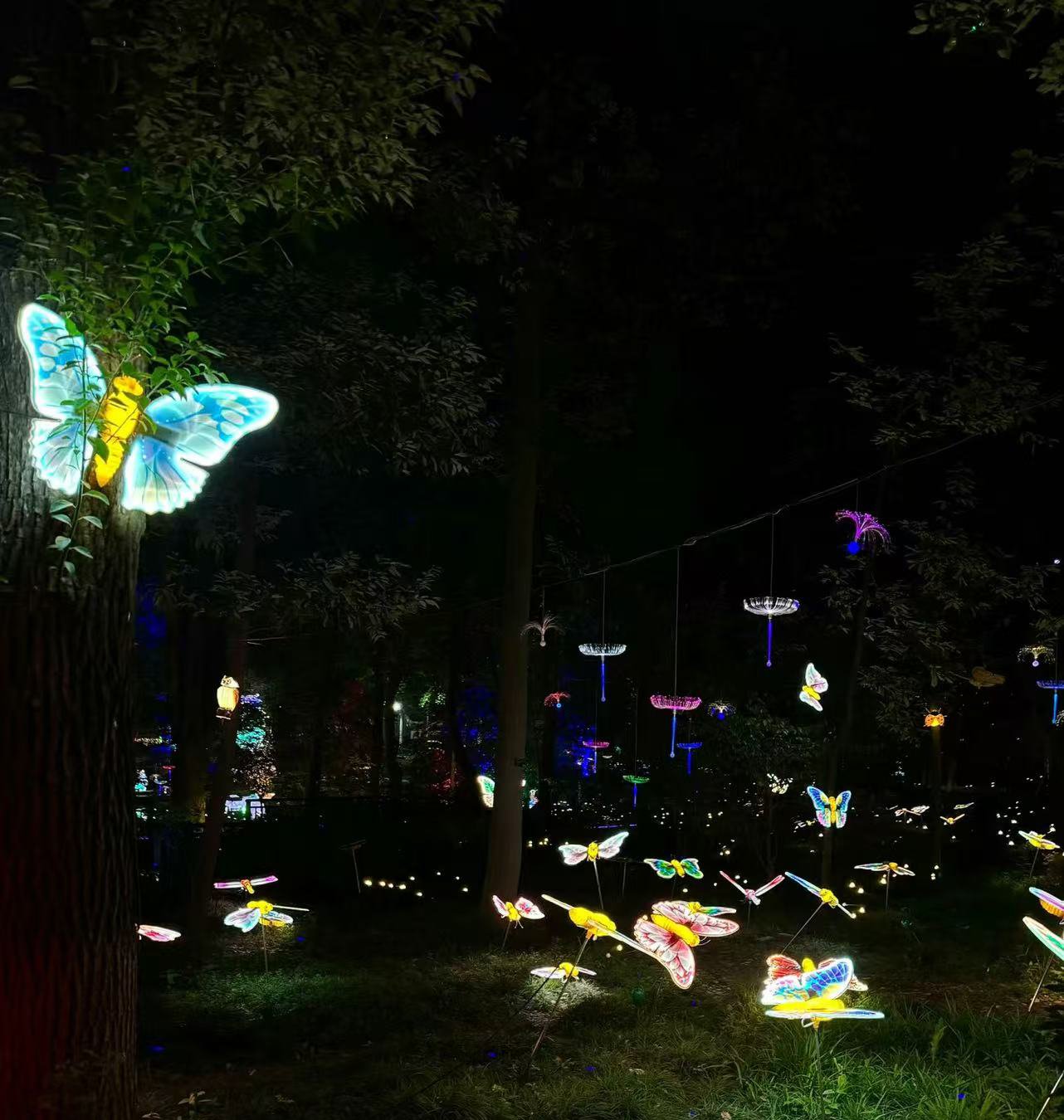
The summer “Night at the Garden” is a popular limited-time experience: – Light shows: Firefly-like LED pathways and uplighting make waterlilies glow with a dreamlike blue. – Nocturnal nature watching: Expert guides lead searches for evening-blooming epiphytes like night-blooming cereus, while frogs and insects provide a natural soundtrack. (Note: night openings are seasonal and require advance online booking.)
3. How to Plan the Perfect Visit
– Recommended stay: 3–4 hours (add 2 hours for night events). – Best times to visit: – Morning (08:00–10:00): Cooler, fewer people, ideal for photography. – Late afternoon (after 15:00): Softer light and more comfortable temperatures. – Who will enjoy it: Families, nature lovers, photographers, and couples. – Combination ideas: – Half-day: Morning at the Botanical Garden, then an afternoon walk or bike ride on the nearby East Lake Greenway (about 3 km away). – Full day: Botanical Garden plus Hubei Provincial Museum (direct access via Metro Line 2).
4. Local Insider Tips
– Hidden photo spots: – “Forest Cabin”: a quiet wooden hut tucked in a secluded area, perfect for relaxing or reading. – Sunrise at the lotus pond: Arrive before 06:00 in summer to capture misty mornings on the water. – Avoid these pitfalls: – Skip holiday afternoons when tour groups crowd the paths. – On-site dining options are limited — bring light snacks, and please do not feed wildlife.
5. Practical Information
– Address: No. 1 Te Lumo Road, Hongshan District, Wuhan (main entrance near the metro station). – Opening hours: 08:00–17:30 (night events 18:30–21:30 during summer weekends only). – Admission: – Adult ticket: ¥40 (student half-price). Greenhouse: additional ¥10. – Value combo: Garden + East Lake boat ticket ¥80 (available on the official website). – Getting there: – Metro: Take Line 2 to Guanggu Square, then transfer to bus 401/413 or walk 1.5 km. – Driving: North gate parking (¥5/hour, limited spaces). – Facilities: free Wi-Fi, accessible paths, clean restrooms.
Conclusion: Wuhan’s “Green Lung” — A Natural Classroom Not to Miss
Wuhan Botanical Garden is more than a park — it’s a frontline center for biodiversity conservation, an urban oxygen bar, and an outdoor classroom for curious children. Whether you crave spring tulip brilliance or the stillness of summer lotus nights, the garden will offer moments that make you forget the city. Next time you’re in Wuhan, reserve at least a half-day for this enchanting plant kingdom.
Call to action:
Check the official website for current flower exhibitions and book ahead to plan your green escape!
https://chinawondersguide.com/botanical-garden-china-wuhan/