Fujian Runbing: A Traveler's Guide to the Thin Spring Pancake
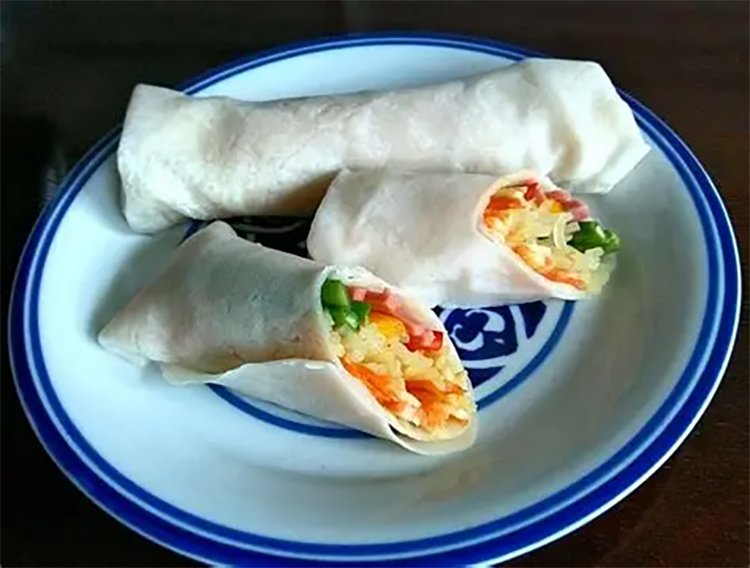
Discover Fujian’s runbing—paper-thin spring pancakes filled with seasonal vegetables, seafood, and sweet peanut crunch. Learn history, recipes, and tasting tips.
Fujian Runbing: Thin Spring Pancakes
1. Origin and history: One wrapper, centuries of spring tradition
Runbing (润饼), often called Fujian spring pancakes, trace their roots to ancient Chinese springtime customs. Legend links them to the Spring and Autumn period ritual of “biting spring”—rolling fresh seasonal greens into thin wrappers to welcome the new year and pray for a good harvest. Migrants from central China brought the custom to Fujian, where the practice blended with abundant local seafood and vegetables to become the distinct Minnan (闽南) specialty enjoyed today.
2. Cultural meaning: Rolled-up reunion and blessing
In Fujian, especially within the Minnan cultural area (Quanzhou, Xiamen, Zhangzhou), runbing is more than street food: it is a symbol of family reunion and shared blessing. Making runbing is often a communal task—family members chop, fry, arrange, and then sit around the table to assemble their own rolls. Eating runbing during Qingming (Tomb-Sweeping Day) or at family gatherings is a way to celebrate spring, remember ancestors, and express wishes for abundance and harmony.
3. Ingredients and flavors: Mountain and sea in every bite
Runbing’s magic is in its balance between an ultra-thin wrapper and a medley of fillings.
The wrapper
Made from high-gluten wheat flour and water, a well-made runbing wrapper is paper-thin, translucent, and surprisingly elastic. Skilled cooks “rub” or spread a soft dough on a hot griddle to create a nearly transparent pancake that can hold juicy fillings without tearing.
The fillings
Families vary their mixes, but common elements include:
Vegetables
shredded carrot, cabbage, snow peas, bean sprouts, celery—stir-fried briefly to keep crunch.
Proteins
shredded pork belly, oysters, shrimp, shredded egg, or firm tofu for savory depth.
Crunch and sweetness
crushed peanuts mixed with sugar and tiny pieces of fried seaweed (often called “tiger hair” seaweed) add a unique sweet-crunch and ocean aroma.
Sauces
sweet chili sauce or local Xiamen spicy sauce finishes the roll. Biting into a runbing reveals layers: the soft elastic wrapper, crisp vegetables, savory proteins, salty-sea notes, and the fragile sweetness of peanut-sugar—an exciting, harmonious contrast.
4. How it’s made: A tactile culinary craft
Making authentic runbing is a practiced craft, especially the wrapper production.
Dough and rest
High-gluten flour, water, and a pinch of salt are kneaded into a supple dough and rested so the gluten relaxes.
Spreading the wrapper
A skilled cook stretches or rubs a ball of dough across a hot flat griddle in a quick, fluid motion so a wafer-thin film cooks in seconds. The result is a translucent, robust pancake.
Preparing fillings
Each filling is cooked, drained, and cooled to avoid soggy wrappers—vegetables are lightly stir-fried, meats are thinly shredded and seasoned, eggs are made into fine strips, and peanuts are crushed with sugar.
Assembly
Lay a wrapper flat, sprinkle seaweed and peanut-sugar, add chosen fillings, drizzle sauce, fold the bottom over, tuck in the sides, and roll tightly into a neat bundle.
5. How to eat runbing: Roll it yourself
The best way to enjoy runbing is DIY. Restaurants and homes usually present the wrapper and plated fillings buffet-style. Guests select quantities and combinations, then roll fresh to eat. Eating immediately preserves the wrapper’s texture and the vibrant contrast of hot fillings against the cool crunch of vegetables. Pair with a simple clear soup like meatball or wonton soup for a classic Fujian meal.
6. Traveler tips: Where and when to try runbing
Best places
Quanzhou, Xiamen, and Zhangzhou are the heartlands for authentic runbing. Seek out traditional Minnan snack stalls, family-run eateries, and local markets.
When to go
Spring—especially around Qingming—offers the most seasonal and varied fillings, though good runbing is available year-round in many restaurants.
Ordering tips
Ask for a “runbing set” or “runbing platter” (润饼菜) to get wrappers and a full assortment of fillings. Observe locals’ combinations or ask staff for their classic suggestion.
Market experience
Night markets and wet markets sometimes feature live wrapper-making stalls—great for photos and tasting freshly made pancakes.
7. Easy home version for travelers
If you want to recreate runbing at home after your trip, try this simplified method:
Ingredients
– Store-bought spring roll wrappers or Vietnamese rice paper as a practical substitute – Shredded cabbage, carrot, and bean sprouts (lightly sautéed and drained) – Thinly sliced ham or cooked chicken – Eggs, made into a thin omelet and cut into strips – Crushed peanut mixed with sugar – Nori flakes or seaweed powder – Sweet chili sauce
Steps
1. Prepare and cool all fillings; drain well. 2. Lay a wrapper, sprinkle seaweed and peanut-sugar, add fillings, drizzle sauce. 3. Fold bottom up, tuck sides in, and roll tightly. 4. Serve immediately for best texture.
Closing: A delicious cultural first lesson
Runbing is a gentle introduction to Fujian’s Minnan food culture—humble, social, and layered with flavor and meaning. For travelers, rolling your own runbing at a local table offers one of the most intimate, delicious ways to connect with Fujian’s spring traditions. Don’t miss this thin, flavorful wrapper that captures mountain and sea, family and festival, in every bite.
https://chinawondersguide.com/fujian-runbing-spring-pancake/