Hakka Hat Workshop: Make Hats, Hear Mountain Songs and Discover Hakka Textiles
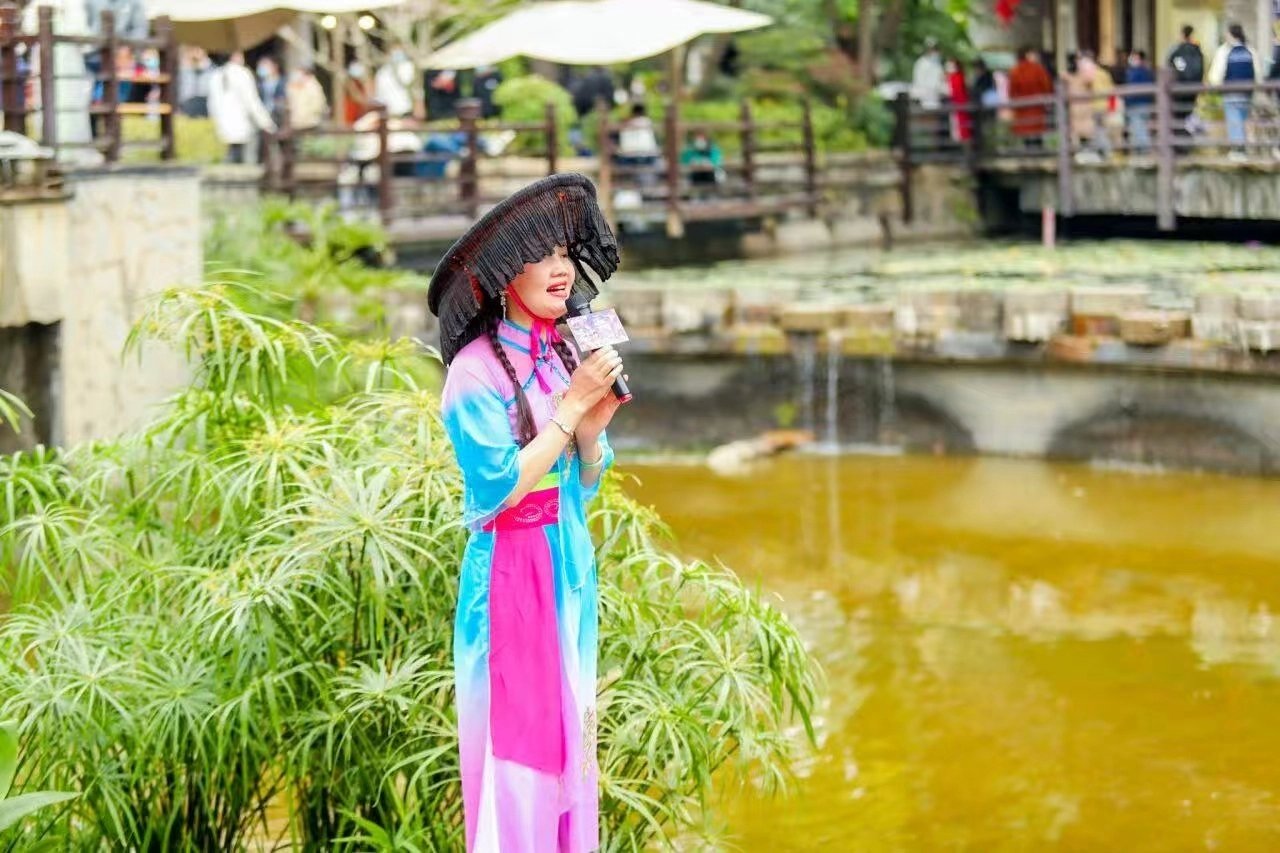
Discover Hakka mountain songs and colorful cool hats—heritage music, crafts, and hands-on experiences across Meizhou, Ganzhou, and Longyan for cultural travelers.
Hakka Mountain Songs and Cool Hats: Timeless Voices and Textiles
1. Lead: Melodies in the Hills, Colors in Motion
In the green mountains and clear waters where Fujian, Guangdong and Jiangxi meet, a voice cuts through mist and colorful ribbons brighten the fields — the lilting strains of Hakka mountain songs and the fluttering cloth strips of the Hakka cool hat. Wander through a Hakka village and you may hear spontaneous call-and-response singing while women in cool hats pass by, a scene that seems to roll back time to an era when songs conveyed feeling and hats sheltered the sun.
Hakka mountain songs and cool hats are more than intangible cultural crafts; they are vivid evidence of Hakka migration history and mountain life. Songs convey emotion, hats protect and signify identity — together they form a distinctive Hakka cultural symbol. In 2006 Hakka mountain songs were listed as a national intangible cultural heritage;
In 2011 the craft of making Hakka cool hats was included in Guangdong Province’s intangible heritage list. Today, let’s step into this poetic land to discover the charm of these two living traditions.
2. Hakka Mountain Songs: A Millennium of Improvised Poetry
(1) The Voice of the Soul: Improvisation and Dialect Singing The defining feature of Hakka mountain songs is improvisation. Singers commonly create lyrics on the spot inspired by the scenery, covering work, love, folk wisdom and everyday life. Performed in Hakka dialect, the melodies are pure and resonant — from the high, vigorous “cross-mountain” tunes to the tender, winding love songs.
(2) Interactive Experience: You Can Sing Along At many Hakka cultural sites visitors can do more than watch professional performers — they can join in. At Meizhou’s Hakka Mountain Song Festival, for example, tourists can learn simple Hakka phrases and try composing impromptu lines. Some venues set up teaching areas where local singers personally guide participants, letting you experience the social warmth of “making friends through song.”
(3) Best Times and Places to See Performances Performances are often scheduled for traditional festivals (Mid-Autumn, Spring Festival) or during Hakka cultural events. Meizhou, Ganzhou and Longyan all host rich mountain-song programs. For a deeper experience, choose a Hakka walled house (weiwu) or an ancient village as the backdrop — the interplay of song and historic architecture increases immersion.
3. Hakka Cool Hats: Wearable Works of Art
(1) Artisan Craft: Bamboo Weaving Meets Colorful Cloth The Hakka cool hat is a signature women’s headpiece: a round, bamboo-woven brim with colorful fabric strips hanging from the edge. It shades from the sun while serving as a decorative marker of regional identity. Styles vary by area — Meizhou hats often have longer, brighter ribbons; Ganzhou hats emphasize practicality with shorter strips.
(2) Intangible Heritage Workshops: Make Your Own Cool Hat In intangible-heritage workshops in Meizhou (Guangdong), Yongding (Fujian) and other towns, visitors can try hat making. From weaving bamboo ribs to attaching cloth strips, every step is taught by heritage bearers so you can craft your own Hakka cool hat.
(3) Photo Opportunities: Cool Hats and Terraced Fields Beyond utility, cool hats make excellent photo props. Visit Hakka terraced fields at dawn or dusk, wear a cool hat and shoot silhouette images as the ribbons flutter — the result is poetically picturesque.
4. Suggested Itineraries
(1) Who This Trip Suits – Culture lovers: dive into Hakka intangible crafts and history. – Photo enthusiasts: capture dynamic song performances and hat-lit landscapes. – Families: children can try hands-on heritage crafts and learn tradition.
(2) Recommended Routes – Half-day: Visit a Hakka walled house → Watch a mountain song performance → Try cool-hat making. – Full day: Hakka museum → Terraced-field walk → Evening mountain-song bonfire or festival.
(3) Best Seasons to Travel Spring and autumn (March–May, September–November) offer pleasant weather for outdoor activities. For festival vibes, plan around Mid-Autumn or Lunar New Year.
5. Practical Tips
(1) Getting There – Public transport: Meizhou, Ganzhou and Longyan all have high-speed rail stations. From there, buses or taxis connect to Hakka villages. – Driving: Most scenic areas have parking; expect about 10–20 CNY per day for parking.
(2) Language and Payment – Site signage often includes both Chinese and English; some guides provide English commentary. – Tickets and workshop fees usually accept WeChat Pay and Alipay; bring small cash for market stalls.
(3) Etiquette – When filming or photographing performances, respect performers and avoid loud disruptions. – The cool hat is a cultural symbol — handle and wear it respectfully without damaging or discarding it casually.
6. Locals’ Picks: Hidden Experiences
– Morning Song Sessions: Many elder singers practice at dawn. With fewer people around, the voice feels especially clear and haunting. – Cool Hat Alley Workshops: Meizhou’s “Cool Hat Alley” has small, authentic workshops run by heritage bearers for a true, hands-on experience.
7. Conclusion: A Cultural Journey of Sound and Color
Hakka mountain songs tell centuries of feeling; cool hats have sheltered generations. They are not only crafts listed as intangible heritage but also distilled wisdom of Hakka life. If you seek an unusual cultural journey, step into Hakka villages, listen to mountain songs and feel the ribbons of a cool hat — let your senses be carried away by this poetic landscape.
https://chinawondersguide.com/hakka-hat-workshop-textiles/