Hukou Waterfall and Shanxi's Ancient Architecture: A Six-Day Cultural Itinerary
Six-day Shanxi itinerary exploring Yuan murals, wooden temples, Hukou Waterfall, Buddhist treasures, performances, and traditional cave-hotel stays.
6-Day Shanxi Ancient Architecture Tour
From the Yuan-dynasty murals of Yongle Palace to the thundering torrents of Hukou Waterfall, this six-day Shanxi itinerary takes you through China’s finest ancient architecture and natural wonders. Shanxi is often called the “Museum of Ancient Chinese Architecture,” preserving over 70% of pre-Yuan wooden buildings. Each temple, tower, and hall tells a thousand-year story.
1. Yuncheng Ancient Architecture Tour
Yongle Palace (Yongle Gong) is world-famous for its remarkably intact Yuan-dynasty complex and exquisite murals. Inside the main hall, the Chao Yuan painting is considered a pinnacle of ancient mural art. Founded in 1247, the palace’s painted surface covers around 1,000 square meters; the flowing figures and pigments still dazzle after 700 years.
Guangrenwang Temple, one of the oldest surviving wooden structures, dates to 831 AD (Tang dynasty). Dedicated to the water deity Guangrenwang, its elegant proportions and dougong bracket work exemplify Tang-era timber architecture and provide invaluable insight into early Chinese wooden building techniques.
Guanque Tower is famed through Wang Zhihuan’s poem “The sun sets behind the mountains; the Yellow River flows into the sea.” The reconstructed tower rises to 73.9 meters, offering panoramic views of the Yellow River. Its Tang-style architecture is beautifully recreated, and the nightly light show is a spectacle not to miss.
2. Yellow River Culture and Guan Di Worship
Jiexiu’s Guan Di Temple is the largest complex in the world dedicated to the war god Guan Yu, originally established in the Sui dynasty. Its palace-style layout—with a ceremonial frontcourt and private rear chambers—and its colorful glazed tiles impress every visitor. The annual Guan Yu birthday festival on the 24th day of the sixth lunar month draws worshippers from across China and abroad.
Feiyun Tower and Qiufeng Tower are Shanxi’s twin wooden marvels. Feiyun Tower stands 23 meters tall and is built entirely of wood without a single nail; its “three visible and three hidden floors” design has earned it the title “China’s finest wooden tower.” Qiufeng Tower, named after Emperor Wu’s poem “Autumn Wind,” offers sweeping views where the Yellow and Fen Rivers meet.
Hukou Waterfall is the Yellow River’s most dramatic natural landmark. During flood season a 300-meter-wide river compresses into a turbulent 50-meter channel, creating the famous image of the “Yellow River gathered into a single pot.” Sunrise rainbows and winter icefalls make it a photographer’s paradise.
3. Buddhist Art Treasures
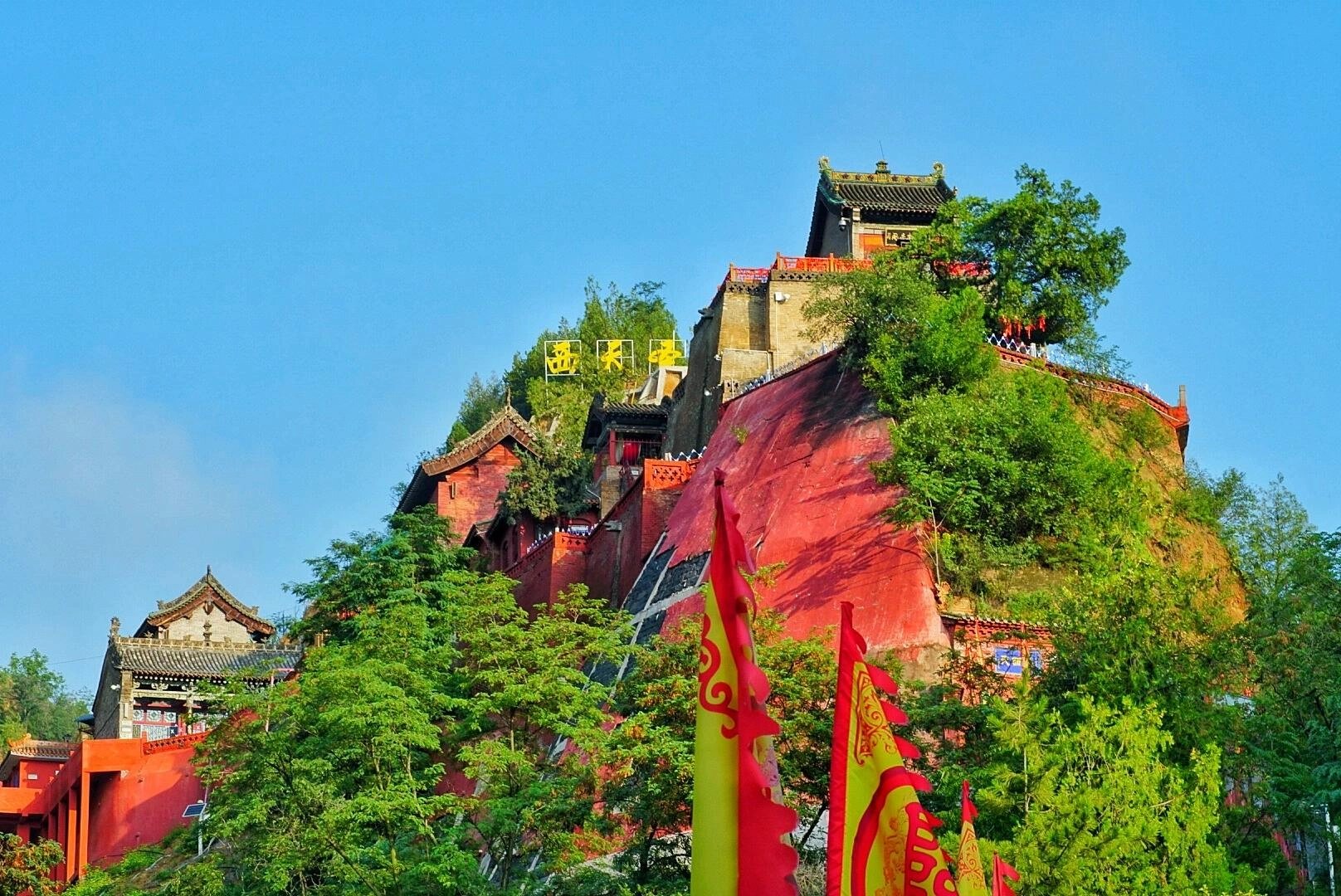
Xixian’s “Little Western Paradise” is renowned for its suspended clay sculptures. The main Mahavira Hall houses thousands of painted statues; every beam and column is covered with finely modeled Buddhist scenes. This Ming-dynasty temple uses the slope of the mountain to create a striking three-dimensional spatial composition.
Guangsheng Temple consists of upper and lower complexes, known for the Feihong Pagoda and Yuan-dynasty murals. The glazed-tile pagoda shimmers under sunlight with seven-color tiles. The original Yuan-era mural of the Medicine Buddha scene (Yakushi) is now held at the Metropolitan Museum of Art, but faithful reproductions inside the temple still convey its artistic power.
4. Changzhi Ancient Architecture Tour and Folk Experiences
Dayun Temple’s Five Dynasties murals include some of China’s earliest water-and-land paintings. The Amitabha Hall retains its Five Dynasties structure and showcases transitional Tang-to-Song artistic styles.
Longmen Temple combines architecture from six dynasties—Five Dynasties, Song, Jin, Yuan, Ming, and Qing—earning it the nickname “a museum of ancient Chinese architecture.”
Situ Town stages the immersive performance “Millennium Iron Soul,” a night-time spectacle that blends traditional iron-forging flower techniques with modern light and sound. This emotional, large-scale live show revives the metallurgy culture and craftsman spirit of the Shanxi merchants era.
5. Jincheng Architectural Highlights and Departure
Qinglian Temple’s Song-dynasty painted sculptures are celebrated as the pinnacle of Song sculpture, especially the Bodhisattva figures whose serene, subtly smiling expressions are deeply moving.
Yuhuang Temple’s 28 lunar mansion sculptures date to the Yuan dynasty and personify ancient Chinese astronomy and mythology, marking a high point in classical sculptural art. Huangcheng Xiangfu, the grand residence of Qing-era chancellor Chen Tingjing, is a sprawling fortress-like official compound with exceptional brick and wood carvings. Climb the He Shan Tower for a sweeping panorama and appreciate the historic prominence of this southeastern Shanxi cultural clan.
Accommodation suggestions:
stay in a hillside cave hotel to experience traditional loess cave dwellings fused with modern comfort, or choose the Novotel in Yuncheng for international-standard business facilities. Every morning, breakfasts feature carefully prepared local specialties to fuel your day of exploration.
Practical tips:
bring layered clothing for large temperature swings between riverbanks and highlands; a telephoto lens and tripod are recommended for Hukou Waterfall photography; check local festival dates to coincide with temple ceremonies and performances for the most immersive experience. This six-day route blends monumental murals, rare wooden architecture, Buddhist masterpieces, dramatic natural scenery, and living folk culture—an ideal program for travelers seeking depth, history, and unforgettable visuals in northern China.
https://chinawondersguide.com/hukou-waterfall-shanxi-itinerary/