Osmanthus Sweet Lotus Root: Jiangnan's Classic Dessert & Cultural Symbol
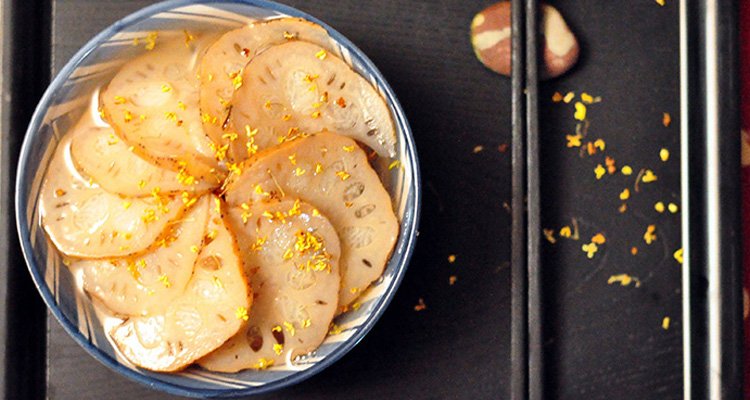
Discover Osmanthus Sweet Lotus Root, a classic Jiangnan dessert made with glutinous rice and osmanthus flowers.
Wandering along Pingjiang Road in Suzhou or by West Lake in Hangzhou on an autumn afternoon, you may be stopped by a delicate, floral scent—sweet but not cloying. That aroma often comes from a simmering pot of osmanthus sweet lotus root, a beloved Jiangnan dessert made by stuffing lotus root with glutinous rice, slow-cooking it in brown sugar, and finishing with fragrant osmanthus flowers.This dessert belongs to the riverine culture of Jiangnan, where abundant waterways produce ideal lotus roots. Records trace the dish back to the Ming dynasty, and local oral traditions suggest an even older origin. It bridges staple food and dessert: lotus root provides texture, glutinous rice brings chewiness, and osmanthus adds aromatic elegance. On banquet tables it symbolizes prosperity, familial bonds, and seasonal celebration.
Cultural Meaning
In Chinese symbolism, every ingredient here carries a blessing. Lotus roots—with their many holes—suggest smooth paths ahead; sticky glutinous rice stands for close family ties; osmanthus (guìhuā) sounds like the word for nobility and good fortune; and the reddish sugar evokes vitality and celebration. Served at weddings, birthdays, and New Year banquets, osmanthus sweet lotus root is as much a message of good wishes as it is a dessert.
Key Ingredients
To make an authentic version, three ingredients matter most:
- Lotus root: choose autumn-harvested mature roots with even holes—Huzhou and Suzhou lotus roots are especially prized for their powdery texture and natural sweetness. - Glutinous rice: use plump, soaked rice for a fully sticky, creamy interior. - Osmanthus flowers: golden osmanthus or sugar-preserved osmanthus from Hangzhou lend the signature perfume.
How It’s Made
Making osmanthus sweet lotus root is a patient process. The lotus root is cleaned and one end is sliced off as a lid. Soaked glutinous rice is spooned into each hole and gently tamped—leave room because the rice swells when cooked. The lid is secured with toothpicks, and the stuffed root is submerged in water with brown sugar, rock sugar, and a few red dates. After a long, gentle simmer (often two to three hours), the lotus root becomes tender and the rice fully cooked. Finish with a high-heat reduction so the syrup clings to the slices, then sprinkle with osmanthus.
Taste and Texture
A properly made osmanthus sweet lotus root offers layered pleasures. Visually, the cross-section shows white glutinous rice peeking through pale lotus root, glazed in amber syrup with golden osmanthus flecks. The scent is floral and warm. On the palate, the lotus root is tender but slightly crisp at the edges, the rice is soft and sticky, and the brown sugar’s deep sweetness is balanced by the lotus’ light fragrance and the lingering perfume of osmanthus.
Hot, Cold, and Pairings
Traditionally served warm right from the pot, this dessert comforts in cool autumn weather. Chilled, it becomes chewier and refreshingly different—try it in summer. In Jiangnan meals it often closes a banquet to cleanse the palate; for an afternoon treat, pair a slice with a cup of Chinese green tea (like Longjing) to balance sweetness.
Where and When to Try It
Best season: autumn (September–November), when new lotus roots and osmanthus blooms coincide. Recommended cities: Suzhou, Hangzhou, Nanjing, Shanghai—local Jiangnan restaurants and tea houses offer authentic versions. Notable places: look for historic restaurants and local favorites such as De Yue Lou in Suzhou, Lou Wai Lou in Hangzhou, and famous banquet houses in Nanjing and Shanghai. Water towns like Zhouzhuang and Tongli often have vendors making it fresh on the spot.
Tips for Travelers
- Ordering: say or show the Chinese name “桂花糖藕” to staff; it’s usually listed under desserts or cold dishes. - Serving: restaurants typically serve pre-sliced pieces—use chopsticks or a fork, but be mindful that the syrup can be sticky. - Sweet level: if you prefer less sugar, ask for the syrup on the side. - Souvenirs: vacuum-packed versions exist but rarely match the fresh taste. Consider buying sugar-preserved osmanthus or lotus root powder instead.
A Simple Home Version
For curious travelers who want to try at home: use 2 lotus roots, 100 g soaked glutinous rice, 50 g brown sugar, 30 g rock/ice sugar, and dried osmanthus. Fill the lotus holes with soaked rice, seal, simmer 1.5–2 hours until tender, reduce syrup, slice, and sprinkle osmanthus. Chill or serve warm.
When you next visit Jiangnan, seek out a traditional teahouse or family-run restaurant and order a plate of osmanthus sweet lotus root. Let its soft, floral sweetness tell you a little about Jiangnan’s gentle culinary ways—simple ingredients, slow craft, and a love for shared blessings.
https://chinawondersguide.com/jiangnan-dessert/