Explore Jichang Garden: A Ming-Era Jiangnan Gem in World Heritage China
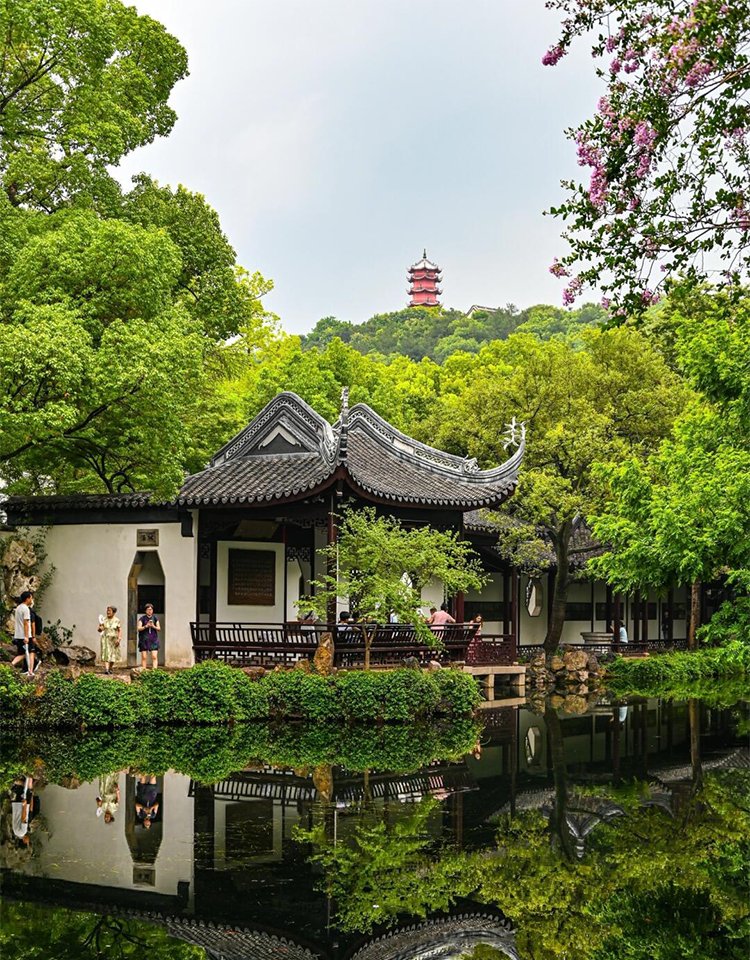
Discover Ming-era Jichang Garden in Wuxi—an intimate Jiangnan masterpiece with borrowed scenery, sound landscapes, imperial history, and practical visitor tips.
When morning light slips through the gaps of century-old trees and scatters like gold across the Jinhuiyi Pond; when the murmuring waters of the Eight-Tone Stream join birdsong in a natural symphony — this Ming-dynasty garden tucked beside Wuxi’s bustling streets wakes in the most Jiangnan way. Jichang Garden, loved so much by Emperors Kangxi and Qianlong that the latter ordered versions recreated in the north, compresses a Ming-era genius for “man-made yet looking naturally born” landscape design into one hectare. Walk here and you’ll understand why poets and scholars happily idled away whole days: every corner is a painting, every step a poem.
1. The soul of a World Heritage site: a stage for dialogue between people and nature
“Use rockery to invite Mount Xi into the garden; call Huishan springs the garden’s bloodstream” — this line captures Jichang Garden’s landscaping philosophy. As one of the few Jiangnan gardens that blends “real mountain and real water” with artificial scene-making, its distinctive features include: – Borrowed-scenery mastery: Walls are composed so that nearby Xi Mountain and Huishan become visual extensions of the garden, creating an illusion of endless space. – Soundscape magic: The Eight-Tone Stream (Bayingjian) uses changes in elevation to make the spring water fall and sing, forming a rare “acoustic landscape.” – Imperial endorsement: Kangxi and Qianlong stayed here a combined 14 times during southern tours; the Summer Palace’s Xiequ Garden in Beijing is essentially a high-quality homage. Unlike the finely carved Suzhou gardens, Jichang Garden feels wilder and more spontaneously natural. Head gardener Master Zhou says, “When we prune branches we watch repeatedly to make sure each gap frames the most beautiful mountain silhouette.”
2. Seasonal experiences: an immersive script from dawn to moonlight
Daytime activities: Be a Ming-dynasty literati for a morning
07:30–10:00 Best time to enter is before the morning mist clears. At Zhiyukan you can watch carp break the pond’s surface, reflecting the mountains — a live moment of Zhuangzi’s “fish delight, human delight” philosophy. 10:00–12:00 Join the free guided tours (daily at 10:00 and 14:00) to learn the secret of “a dry garden made by water” — those seemingly casually placed lake stones are actually frozen waves.
Nighttime secrets (limited dates)
18:30–20:30 On traditional holidays such as Mid-Autumn and Lantern Festival the garden offers classical night walks. Lantern-lit paths lead to encounters with a guqin-playing recluse in Yupandang corridor and shadow-puppet tales projected on white walls in Jiashutang. (Note: night tours require advance reservation via the WeChat public account “Wuxi Huishan Ancient Town”.)
3. Insider tips from locals for a deeper experience
– Photography Easter egg: After rain, the stone slab bridge at Hebutan produces a Tyndall-like “sky rainbow” in morning mist. – Hidden viewpoint: From the west window on the second floor of Xianyue Pavilion you can compose a perfect frame combining Xi Mountain’s Longguang Pagoda and the garden pavilions. – Seasonal highlight: In mid to late November a 600-year-old camphor tree dyes Jinhuiyi Pond a lipstick-red mirror. “Old Wuxi folks know a secret,” teahouse owner Auntie Li winks, “on the third post of the Seven-Star Bridge railing where Qianlong once sat, he secretly carved the character ‘chang’.”
4. Practical guide: smart ways to avoid crowds
Best times to visit
– Weekdays, one hour after opening (7:30–8:30) – Light rainy weekday afternoons (tour groups prefer sunny days)
Ticket value tips
– Combo ticket: ¥70 for the “Xi-Hui Scenic Area + Jichang Garden” combo (single Jichang Garden ticket ¥50). Also convenient to visit the “Second Spring Under Heaven” and the tomb of blind musician A Bing. – Free entry: First Tuesday of each month (excluding public holidays).
Transport tips
– Metro Line 4: exit 5 at Huishan Ancient Town station, then an 8-minute walk along Guhuashan Road. – Parking: underground parking at Xihui Park (¥6 first hour) — but weekends fill up fast.
Safety tips
– Bluestone paths become slippery when wet; wear shoes with good grip. – Do not wade in the Eight-Tone Stream area — deceptively calm but with hidden currents.
5. Nearby combined itineraries
Culture lovers route
Jichang Garden (2h) → Huishan Ancient Town for tofu pudding (1h) → Wuxi Museum to see Ni Zan originals (2h)
Nature enthusiasts route
Early morning at Jichang Garden (1.5h) → cable car up Xi Mountain (30min) → Erquan Teahouse for Biluochun tea (1h)
Conclusion
While Wuxi’s neon glitter plays in the distance, Jichang Garden keeps its unhurried rhythm. Time here is measured by how many degrees the maple leaves redden, how many twists the spring water takes, and how many impromptu poems appear under the corridors. Beneath the World Heritage label lies a rarer gift: a place that teaches how to settle a restless heart amid a small landscape. When you plan your Jiangnan trip, save at least half a day for this garden — if emperors kept returning, it deserves your pause.
https://chinawondersguide.com/jichang-garden-world-heritage-china/