한국어 여행 안내: Fuzhou Guobianhu: A Classic Seafood Rice Soup to Try 핵심 정보
본문의 방문 동선, 배경 정보, 현지 팁을 한국어로 정리한 여행 안내입니다.
한국어 안내: Fuzhou Guobianhu: Classic Seafood Rice Pancake
한국어 안내: 1. Discovering Yongcheng’s Old Flavors: Fuzhou’s Morning Life in a Bowl of Guobianhu
한국어 안내: Stroll Fuzhou’s streets at dawn and you’ll be led by the inviting scent of rice and clear seafood broth. In breakfast stalls tucked into alleys, locals gather around steaming bowls of Guobianhu — the quintessential early-morning taste of this coastal city. Simple yet soulful, Guobianhu is more than a meal: it’s a key to Fuzhou’s culinary history and the everyday warmth of local life.
한국어 안내: 2. Origin in the Min Capital: A Centuries-Old Tradition in a Pot and a Spatula
한국어 안내: Known locally as “Guobian” or “Dingbianhu,” Guobianhu dates back to the late Ming and early Qing dynasties. A popular legend links the dish to wartime improvisation: when troops needed quick, nourishing food, resourceful cooks poured rice batter along the edge of a large soup pot. The batter cooked into thin sheets that were scraped into the broth with a spatula. This practical technique — born of urgency and care — became a cherished regional tradition.
한국어 안내:
한국어 안내: 3. Fuzhou on the Palate: Cultural Codes in a Bowl
한국어 안내: In Fuzhou, Guobianhu has become part of daily rituals and collective memory. It’s a familiar breakfast for many, a street-level comfort food, and an emotional link for people far from home. The dish reflects Fuzhou’s culinary principles — light, fresh, and true to original flavors — and the city’s close relationship with the sea. Tasting Guobianhu is an invitation to explore Fuzhou’s culture and history through its food.
한국어 안내: 4. Crafted with Care: Watch the Rice Batter “Blossom” on the Wok Edge
한국어 안내: Authentic Guobianhu relies on traditional skill. High-quality early-harvest rice is soaked and ground into a smooth, slightly thick batter — historically milled on a stone grinder for the best texture. The broth is the flavor base: freshest clams, razor clams, or oysters simmered with pork bones to produce a clear, umami-rich seafood stock. 한국어 안내: The star technique is the “wok-edge pour.” The cook quickly pours a ring of rice batter along the heated iron wok rim; it instantly firms into a wafer-thin sheet, edges curling like a flower. When semi-dry, the sheet is scraped into the boiling broth to finish cooking. Add-ins usually include plump clams, dried shrimp, shiitake mushrooms, celery, and a drizzle of garlic oil. Minimal seasoning — salt or a dash of fish sauce — preserves the broth’s pristine taste.
한국어 안내:
한국어 안내: 5. Taste Experience: A Refreshing, Ocean-Kissed Bowl
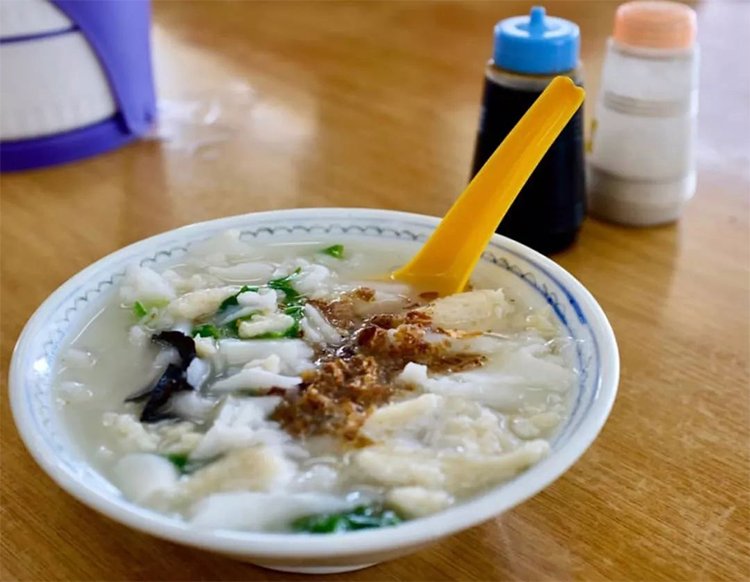
한국어 안내: A bowl of Guobianhu presents a pale amber, crystal-clear broth flecked with golden spots of garlic oil. The translucent rice sheets float among clams, mushrooms, and greens. The first sensation is texture: the rice sheets are silky and tender, melting on the tongue with a subtle rice fragrance. Then comes the seafood savor: the broth accumulates the sea’s sweetness without greasiness. The interplay of clam brininess, dried shrimp aroma, mushroom depth, and celery freshness creates a harmonious, layered flavor that comforts and wakes the palate.
한국어 안내: 6. Authentic Way to Eat: Unlock Fuzhou’s Breakfast Rituals
한국어 안내: Guobianhu is traditionally enjoyed as breakfast. Locals pair it with fried snacks like shrimp crisps or oyster cakes — the crunch and richness of fried items balance the soup’s lightness. Eat it straight from the bowl with a spoonful of soup and ingredients together; some add a few drops of local shrimp oil (or fish sauce) or a pinch of white pepper to accentuate the umami. The dish’s mild, clean profile makes it accessible even to first-time visitors to Chinese cuisine.
한국어 안내:
한국어 안내: 7. Traveler’s Guide: Where to Find the Best Guobianhu in Fuzhou
한국어 안내: To taste authentic Guobianhu, head into the old city neighborhoods (such as Taijiang and Cangshan) rather than modern malls. Look for long-standing breakfast stalls with locals queued up — these often serve the most genuine bowls. Best enjoyed early: many traditional vendors open at dawn and may close after mid-morning when they sell out. A good sign is a large iron wok rim and a cook skillfully pouring batter along the edge. 한국어 안내: Recommended local names to try: longstanding neighborhood shops such as Erlongbo Yuanxiao Shop (known also for its traditional sweets but praised locally for Guobianhu) and the breakfast section of Antai Lou, where regulars gather for classic morning bites. Don’t be shy — Guobianhu’s gentle flavors are welcoming to international travelers.
한국어 안내: 8. Simple Home Version: Recreate Fuzhou’s Flavor
한국어 안내: If you fall in love with Guobianhu and want to try it at home, try this simplified approach: 한국어 안내: – Ingredients: glutinous rice flour (or rice batter), water (to a slightly thick consistency), broth (chicken stock blended with a touch of oyster sauce and dried scallop powder to mimic seafood), dried shrimp, rehydrated shiitake mushrooms, clam meat, and chopped celery. 한국어 안내: – Method: Bring the broth to a simmer, add shrimp, mushrooms, and clams. Keep the pot simmering. In a small flat pan, lightly oil and heat; pour a thin ring of rice batter along the rim, cover for 20–30 seconds until it sets, then scrape the rice sheet into the bubbling broth. Repeat until batter is used. Finish with celery, a dash of salt, and a drizzle of garlic oil. While home versions won’t perfectly match street flavor, they capture the essence and are satisfying to make.
한국어 안내:
한국어 안내: 9. Conclusion: More Than a Snack — Fuzhou’s Flavorful Calling Card
한국어 안내: Guobianhu is not just rice porridge; it’s a living taste of Fuzhou’s past and present. It combines the city’s maritime bounty and rice-growing heritage into a modest, memorable dish that embodies local warmth and culinary intelligence. If you visit Fuzhou, take a morning to sit on a small stool by a street stall and savor a steaming bowl — that simple act completes a genuine Fuzhou food experience and leaves you with a delicious story to take home.
https://chinawondersguide.com/ko/seafood-rice-soup-guobianhu/