Macau Street Food: Pork Chop Bun — Crispy Outside, Tender Inside
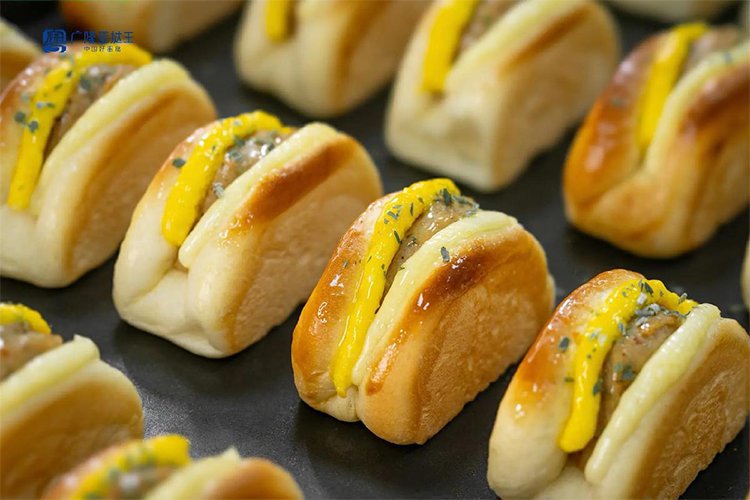
Discover Macau's famous pork chop bun—crispy bread and juicy, seasoned pork in a classic street-food sandwich. Find history, recipes, and top shops.
1. Macau Pork Chop Bun: A Crispy and Tender Encounter
Strolling through Macau’s narrow, lively streets, you’ll be greeted by many tempting aromas — but one distinctive scent always stands out: the famous Macau pork chop bun. Simple at first glance, this snack embodies Macau’s East-meets-West culinary spirit: a crisp, toasted roll hugging a juicy, well-seasoned pork chop. More than a quick bite, the pork chop bun is a culinary postcard of Macau’s history and daily life, inviting every visitor to taste its story.
2. Origins and History: A Tea-Room Innovation
The pork chop bun originated in mid-20th-century Macau, shaped by the city’s Portuguese colonial history and the fusion of Chinese and Western food cultures. Local tea restaurants — informal cafés serving quick meals and drinks — created the pork chop bun to meet demand for a tasty, fast lunch. Inspired by Western sandwiches and burgers but tailored to local tastes, chefs marinated pork chops in a blend of soy, garlic, wine, sugar, and regional spices, then pan-fried or shallow-fried them before tucking them into toasted, crusty rolls. From a practical worker’s meal it quickly became a beloved snack across Macau.
3. Cultural Meaning: A Symbol of Everyday Macau
Today the pork chop bun has transcended its humble origins to become a symbol of Macau’s everyday food culture. It represents local practicality, hospitality, and culinary adaptability. Whether grabbed on a busy commute, savored during afternoon tea, or enjoyed as a late-night snack, the pork chop bun is a favorite for locals of all ages. Like the Portuguese egg tart, it’s an essential Macanese food icon — a delicious entry point for visitors wanting to experience the city’s authentic flavors.
4. Ingredients and Preparation: Simple Elements, Remarkable Flavor
The appeal of the pork chop bun lies in careful attention to two main elements: the bun and the pork chop.
Bun (the body):
Authentic Macau pork chop buns use a roll that resembles a small baguette — crisp and golden on the outside, soft inside. Often made with a sourdough or old dough starter and high-heat baking, the roll soaks up meat juices without becoming soggy.
Pork Chop (the soul):
Cut from shoulder or tenderloin, the chop is pounded to an even thickness, then marinated in light and dark soy, minced garlic, chopped onion, cooking wine, sugar, and a signature spice mix (sometimes five-spice or local blends). After a long marinade, the chop is pan-fried or shallow-fried until the exterior is lightly caramelized and the interior remains juicy.
Assembly:
The toasted roll is sliced almost all the way through and a hot pork chop is inserted. Some shops brush the roll with a little butter or add lettuce and tomato slices on request. The contrast between crunchy crust and tender meat is the defining experience.
5. Flavor and Texture: A Feast for the Senses
A bite of pork chop bun is multi-layered: first the satisfying crunch of the roll, then the soft crumb and the warm, savory pork. The marinade gives the meat a balanced savory-sweet profile with aromatic garlic and spice notes. Rendered pork fat, the caramelized edges, and the toasted bread combine into a rich, memorable flavor that’s both filling and deeply comforting.
6. How to Eat and Pairings
The classic way to enjoy a pork chop bun is to eat it hot and handheld. It’s a popular choice for lunch, afternoon tea, or a late-night snack.
Perfect Pairings:
Local drinks like silky Hong Kong–style milk tea (silk-stocking milk tea) or zesty lemon tea complement the pork’s richness. Some shops serve the bun with fries or a small salad as a combo.
Best Time to Eat:
Eat it hot. Freshly toasted bread and a just-cooked chop are when the sandwich tastes best — once cooled, the bread firms and the fats solidify, reducing enjoyment.
7. Tips for Travelers: Finding the Most Authentic Pork Chop Buns
To experience the best pork chop bun, seek out popular local tea restaurants and long-standing shops. Notable places include:
Tai Lei Loi Kei:
Often credited as a pioneering shop, known for large crowds and signature buns.
Victory Tea Restaurant:
A traditional tea-room favorite with a time-tested flavor.
Sun Heng/Famous Local Shops:
Known for thick, hearty pork chops and generous portions.
Ordering tips: You may be offered bone-in or boneless chops — bone-in can have more flavor but is trickier to eat. Ask for less oil if you prefer a lighter version.
8. Easy Home Recipe for Travelers
If you miss the bun after leaving Macau, try this simplified home method: 1. Marinate pork shoulder or tenderloin: Pound meat, then marinate with minced garlic, light and dark soy, cooking wine, sugar, five-spice, and a little oil for at least 2 hours or overnight. 2. Prepare rolls: Buy small baguettes or crusty rolls and refresh them in a 180°C (350°F) oven for 5–8 minutes. 3. Pan-fry chops: Heat a skillet with a little oil, fry chops over medium-low heat until golden and cooked through. 4. Assemble: Slice rolls, add the hot chop, and optionally add butter, lettuce, or tomato.
While a home version may not perfectly match Macau shop flavors, it captures the essence and satisfies cravings.
9. Conclusion
Macau’s pork chop bun — born in tea restaurants and perfected on busy streets — offers a humble yet unforgettable taste of the city’s cultural fusion. Each crunchy bite and tender mouthful tells part of Macau’s culinary story. When you visit, follow the aroma to a fresh, hot pork chop bun and taste one of Macau’s most authentic local delights.
https://chinawondersguide.com/macau-street-food-pork-chop-bun/