Mangshi Night Market: Explore Starry Evenings and Dai Border Nightlife
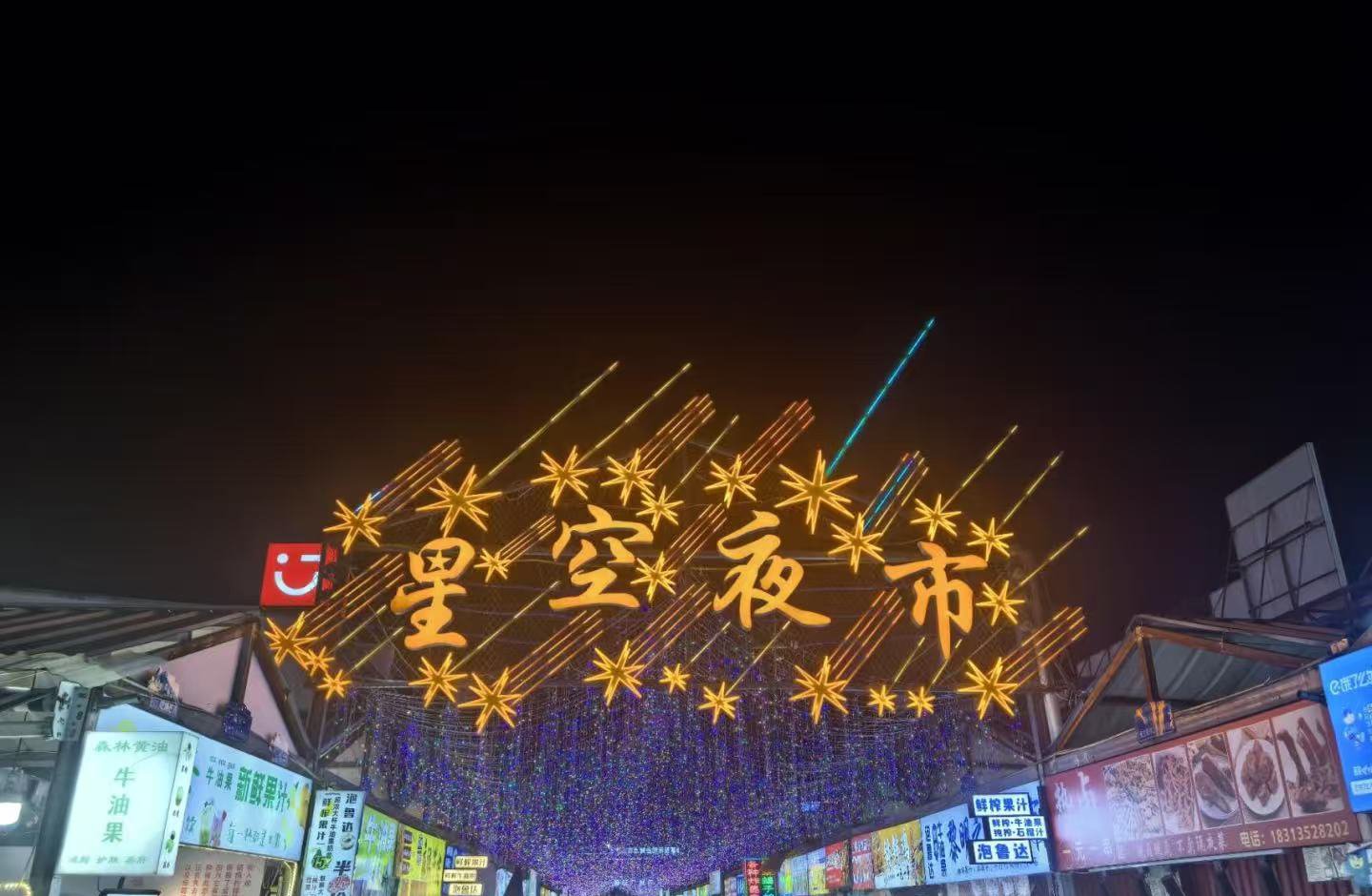
Explore Mangshi Starry Night Market—Dehong's vibrant Dai culture, Southeast Asian street food, live dances, and festive water-splashing nights under a glowing star canopy.
Mangshi Starry Night Market: Dai Border Nightlife
In the dusk of Dehong Prefecture, Yunnan, Mangshi Starry Night Market gleams like a jewel, radiating unique ethnic charm. More than 300 stalls line the “Star Avenue” beneath a dreamlike starry canopy, where colorful lights mix with Dai culture. The air is filled with the sour‑spicy aroma of sāpíe and the sweet coconut scent of paoluda. This market is both a foodie heaven and an immersive window into western Yunnan’s minority cultures—Splashing Festival revelry, the sweeping Munao Zongge dances, and Southeast Asian influences make every night come alive.
1. Night Market Core Features: A Festival of Dai Culture and Southeast Asian Flavors
Tagline: “An ethnic feast under the stars, Yunnan‑Myanmar flavors on your tongue.” Mangshi Starry Night Market is grounded in Dai culture and blends Dehong’s local minority traditions with Southeast Asian elements. Across 20,000 square meters, about 70% of the space is food, 20% creative handicrafts, and 10% entertainment, forming a one‑stop night life circuit for eating, browsing, and playing.
Highlights:
– Minority street food — sāpíe, paoluda, hand‑grabbed rice, pounded chicken feet, and other Dehong specialties all in one place. – Southeast Asian tastes — Myanmar tea leaf salad, Thai tom yum, Vietnamese rice rolls and more cross‑border dishes. – Immersive folk experiences — nightly ethnic song-and-dance performances, weekend Splashing Festival activities, and Munao Zongge celebrations. – Starry lighting design — rainbow lights plus a star canopy create exceptionally photogenic scenes, often likened to a Dehong version of TeamLab.
2. Local Culture and Spending Atmosphere: Warm Border‑Town Nightlife
Mangshi is the capital of Dehong, bordering Myanmar, and the blend of cultures is obvious. In the night market you’ll hear Dai, Jingpo and Burmese languages, and stall owners often wear ethnic dress while inviting you to taste their food. Spending profile: – Around RMB 30–50 per person to eat and drink well—excellent value. – Craft stalls sell handmade silver, Dai woven textiles, and Burmese woodcarvings—great for souvenirs. – Relaxed vibe where locals and visitors mingle—drinking, dancing, and chatting with no barrier.
3. Must‑Try Foods and Featured Experiences
3.1 Food Recommendations: From Dehong Snacks to Southeast Asian Fare
– Dehong sāpíe — lemongrass and lime rice noodles, a tangy, spicy night‑market staple. – Paoluda — coconut milk with sago and toasted bread pieces, Dehong’s take on a creamy dessert. – Pounded chicken feet — cold, sour‑spicy marinated chicken feet, similar to Myanmar street style. – Myanmar tea leaf salad — fermented tea mixed with peanuts for a distinct bitter‑savory flavor. – Vietnamese rice rolls — fresh rice sheets wrapped with herbs, served with fish sauce dip.
3.2 Entertainment: Song, Dance, Water and Munao Zongge
– Nightly 19:30–21:00 — central square ethnic performances, featuring Dai peacock dances and Jingpo knife dances. – Weekend Splashing Festival — seasonal in summer; visitors can join the water‑splashing fun. – Munao Zongge Festival — a Jingpo mass dance event with thousands participating (check dates in advance).
4. Environment and Crowd: A Multicultural Social Hub under Dreamy Lights
Audience profile: roughly 60% local young people, 30% domestic tourists, 10% Southeast Asian cross‑border visitors. Atmosphere: lively, open, and ethnic — ideal for groups of friends or families. Site highlights: – Star canopy — lights change at night, creating a cosmic ambience. – Colorful lantern district — top photo spot with strong Dai atmosphere. – Open seating — sit anywhere to eat and watch performances.
5. Itinerary Tips: How to Make the Most of the Starry Night Market
– Recommended stay: 2–3 hours (extend to 4+ hours if you watch performances or join the Splashing Festival). – Best time: 19:00–22:00, when shows peak and the vibe is strongest. – Ideal for: friends’ gatherings, romantic evenings, family outings, and backpacker meetups. Suggested combo: Visit Mengbanaxi Botanical Garden or Shubao Pagoda by day, then head to the night market at dusk for a seamless cultural day.
6. Practical Tips
– Payment: Most stalls accept WeChat Pay/Alipay; carry some cash for small vendors. – Language: Mandarin is commonly understood; some minority vendors may communicate by gesture. – Wi‑Fi: Free and reasonably stable across the market. – Safety: Generally safe—watch personal belongings, and use waterproof pouches during Splashing Festival. – Crowds: Weekends are busy—arrive early or browse before queuing at popular stalls.
7. Local Insider Tips
– Lesser‑known eats: try Achang‑style grilled fish or Dehong thin bean jelly—locals’ favorites. – Best photo spot: the elephant lantern at the end of Star Avenue. – Souvenir picks: Dai handmade brown sugar and natural Burmese soap.
8. Practical Information
– Address: Menghuan Road, Mangshi (near Mangshi Square), Dehong Prefecture, Yunnan. – Hours: 18:00–24:00 year‑round (extended to 01:00 on Splashing Festival nights and other celebrations). – Transport: – Bus: Lines 1 and 2 to “Mangshi Square,” then a 5‑minute walk. – Taxi: within city usually under RMB 10; ride‑hailing is convenient. – Car: parking near the market; about RMB 5 per hour. Conclusion: Mangshi Starry Night Market is more than a place to eat—it’s a nighttime cultural feast. Taste authentic Yunnan‑Myanmar flavors, enjoy heartfelt minority performances, and soak up the border‑town nightlife under a canopy of lights. If you’re traveling in western Yunnan, don’t miss this starlit culinary and cultural scene!
https://chinawondersguide.com/mangshi-night-market-dai-nightlife/