Ningbo Travel: Dongqian Lake — A Tranquil Freshwater Escape
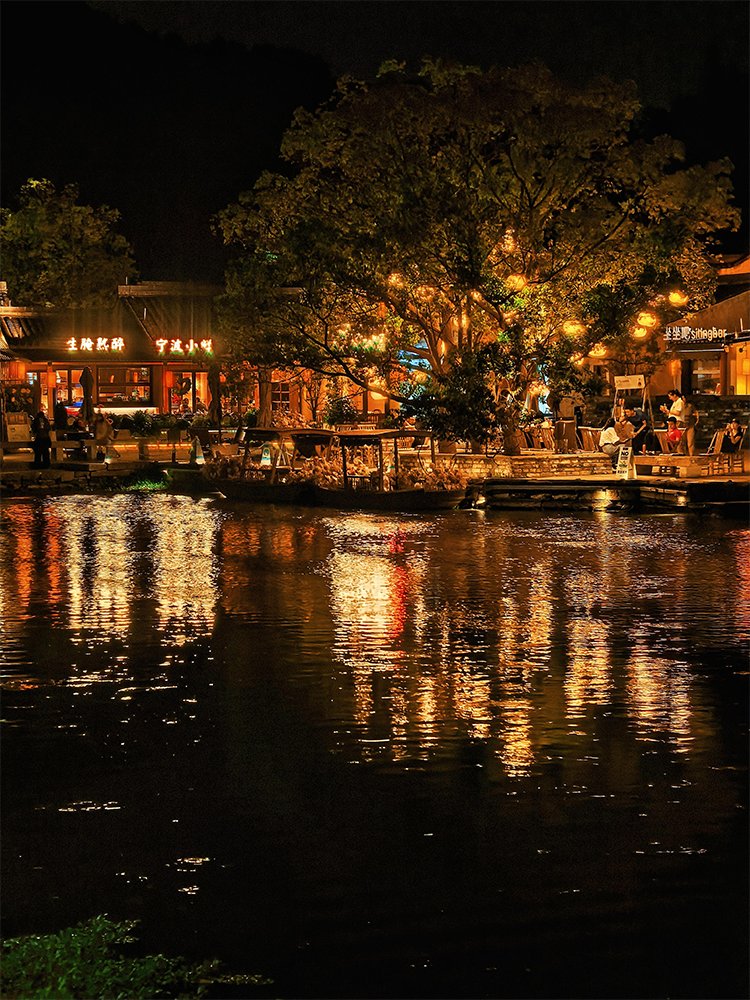
Discover Dongqian Lake's scenic islands, tea terraces, cycling trails, local cuisine, and evening light shows—Ningbo's tranquil freshwater escape for nature lovers.
Dongqian Lake: Ningbo’s Tranquil Freshwater Escape
Introduction
When dawn gilds the water or sunset paints the islets rose, Dongqian Lake reveals why it is called Zhejiang’s largest freshwater lake. Combining the lyrical charm of West Lake and the expansive spirit of Taihu, this 2,000-year-old cultural landscape carries the legacy of the Yue Kingdom. Whether you cycle the lakeside greenway following Fan Li’s legendary retreat, or moor at Hanling ancient village to taste freshly caught river seafood, Dongqian Lake — the Yangtze River Delta’s backyard garden — offers restorative scenery and a slower pace that soothes city-worn souls.
1. A Lake of Three Islands: Landscape Aesthetics
Dongqian Lake’s charm lies in its “lake-city integration.” The 20-square-kilometre water surface is gently divided by three core areas—Xiaoputuo (Little Putuo), Taogong Island, and Fuquan Mountain—creating constantly shifting views. – 1. Xiaoputuo (Little Putuo): On this island the Xayu Chan Temple has burned incense for a thousand years. Stone cave art and the temple’s reflection form a “Buddhist water realm.” Visit at dawn to watch monks strike the bell as birds sweep across ink-wash mountains. – 2. Taogong Island: Legend says Fan Li and Xi Shi retired here. You can still occasionally find shards of Yue kilns. In spring, a cherry-blossom grove hides Fan Li’s shrine; bronze-patterned paving stones tell of Spring-and-Autumn commercial wisdom. – 3. Fuquan Mountain: A 3,600-acre ecological tea garden rolls like green waves. In April you can pick “one bud, one leaf” during tea season, and the summit viewing platform offers vistas where lake and East China Sea seem to meet—photographers often wait for the rare “sun-and-moon together” spectacle.
2. Two Faces of Day and Night: Ink-Wash Mornings to Starry Evenings
Daytime activities:
– Rent a geared bicycle (30 CNY/hour) and ride the 36-km lakeside greenway. Pass the Southern Song stone-engraving park and seek out the “Hundred Statues” — 800-year-old stone generals frozen mid-motion. – In Hanling ancient village, stroll among horse-head wall architecture and sample the “Old Street Three Treasures”: bamboo-weaving workshops, hand-painted New Year prints, and freshly fried stinky tofu.
Nighttime attractions:
– In summer, the weekly Friday 20:00 “Lakescape Night Painting” light show turns Xiaoputuo’s temple walls into a giant projection screen, animating Wu-Yue legends in 3D. – The lakeside promenade is lined with thousands of solar lanterns, forming a starry avenue. Couples love evening walks here; fishing lights, café glows, and lantern reflections make the water shimmer.
3. Taste of Dongqian: Local Flavors
– Dongqian Four Freshs: local specialties include white fish with preserved snow vegetables and rice cakes, green-shelled snails with yellow wine, scallions-and-oil shrimp, and stir-fried river clams. Try Hanling Pier’s A San Yuzhuang (recommended, around 60 CNY per person). – Intangible cultural experience: At century-old Wang Sheng Da you can watch and join in pounding oil-wrapped glutinous rice cakes (15 CNY per portion). – Scenic café hit: The glasshouse Tea Room on Fuquan’s mid-hill serves Longjing-tea–infused ice cream with sunset lake views—popular for photos and relaxation.
4. Local Insider Tips
– Secret viewpoint: The west-side Wanghu Pavilion on Taogong Island is little known and frames both lake panoramas and Southern Song statue silhouettes. – Avoid the trap: Resort electric shuttle cars (about 50 CNY/person) are poor value—rent a bike or walk instead. – Cultural nugget: On the lunar first day each month, Xiaoputuo’s Xayu Temple hosts a vegetarian banquet; book by phone three days in advance.
5. Practical Information
– Opening hours: The area is open year-round (Xiaoputuo 8:00–17:00; lighting-show season extends to 21:30). – Getting there: Exit A at Dongqian Lake Station on Metro Line 4, then take bus 966 or a 15-minute taxi. Use the English version of Didi for ride-hailing if needed. – Budget guide: No general admission. Meals typically 50–150 CNY per person. Cycling + boat combo ticket about 120 CNY. – Best seasons: March–May for cherry blossoms and tea fragrance; September–November for clear autumn skies. Bring mosquito repellent in July–August.
Conclusion
While cities measure life by speed, Dongqian Lake preserves an older wisdom of “slow-steeped” landscapes. Here you can learn to cast a net with local fishermen at dawn, sip freshly picked Fuquan tea beside Southern Song carvings at midday, and fall asleep to the lullaby of waves. Only 15 kilometres from Ningbo city center, this flowing panorama waits to unfold your own moving masterpiece of Chinese scenery.
https://chinawondersguide.com/ningbo-travel-dongqian-lake/