Shanghai Food Street Guide: Best Eats & Snacks at Old City God Temple
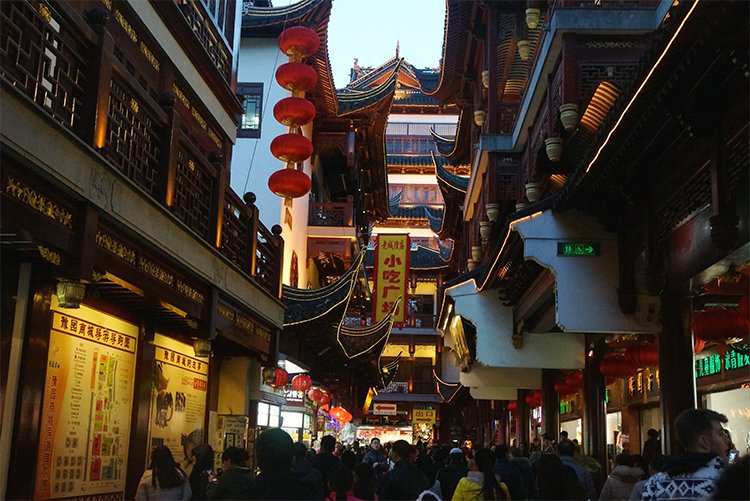
Explore Shanghai's Old City God Temple food street: historic snacks, Nanxiang xiaolongbao, shengjian, local tips for immersive culinary experiences and practical advice.
Shanghai Old City God Temple Food Street Guide
When steam rises over the Nine-Curve Bridge and xiaolongbao vapor softens the eaves’ silhouettes, you know you’ve arrived at the Old City God Temple (Chenghuangmiao). Four centuries of incense and everyday cooking fuse here: the most authentic Shanghai breakfasts locals cherish meet curious travelers’taste adventures. From the sizzle of the first morning shengjian to the warm sweetness of fermented rice dumplings at night, this time-polished food quarter tells the story of Jiangnan cuisine with color and scent.
1. Soul Positioning: A Living Shanghai Food Museum
The Old City God Temple food street is not a random collection of eateries but an open-air museum measured by flavor. It preserves the city’s culinary memory since Shanghai opened to the world: around 70% of stalls have operated for more than thirty years, creating a “local-snack gene bank.” Walk the bluestone paths and you’ll catch scallion-oil aromas and sweet-and-sour notes; vendors call out in soft Wu dialect—“fresh crab-pulp xiaolongbao, just steamed”—and even the air feels like old Shanghai.
2. Must-Eat List: Five Generations of Culinary Heritage
– Nanxiang Xiaolongbao (intangible cultural heritage) Founded in 1900, Nanxiang Mantou Dian’s sixth-generation chefs still follow the traditional rule: “skin 18 pleats, 15g of soup.” Aim to be there at 7:00 for the head basket, and watch the master use a bamboo tool to tuck crab roe precisely into the filling. Locals pair them with shredded ginger and black vinegar; the ritual is to break the skin and sip the broth first. – Da Hu Chun Shengjian (Michelin-recommended) Unlike thin-skinned modern styles, this 1932 shengjian shop ferments its dough and sears a distinctive chrysanthemum-patterned crisp on the bottom. Their limited daily prawn shengjian, hiding an entire Taihu white prawn, sells out fast—be prepared to queue an hour ahead. – Hidden-menu highlights: – Chunfeng Songyuelou’s vegetarian buns: a century-old pure-vegan shop recreating meaty textures with shiitake, tofu and gluten. – Ningbo Tangtuan’s leisah yuan: black sesame filling rolled in roasted soybean flour—an essential winter-solstice comfort for Shanghai families. – Lao Tongchun’s duck-and-chicken-blood soup: a restorative broth simmered with ten herbs, paired with fried gluten as locals’ hangover cure.
3. Immersive Experience Guide
Golden timeline:
– 7:00–9:00: Witness old-Shanghai breakfast culture—the “four breakfast pillars” (big flatbreads, youtiao fried dough, sticky rice cakes, soymilk). – 11:00–14:00: Try banquet-level local cuisine at Lvbolang (Green Wave Corridor) with signature dishes like fan-shaped water-shed fish and sea cucumber with shrimp roe. – 17:00–20:00: As lights come up, enjoy the Yuyuan night feast; the Nine-Curve Bridge becomes a luminous culinary promenade.
Picture-perfect spots:
– Huxin Pavilion teahouse, second floor: look down on tiled roofs and steam rising from stalls. – Wenchang Road crossroads: capture neon signs framed by Shikumen architecture—the classic Shanghai shot.
4. Local Insider Tips
Avoid pitfalls:
– Skip the viral bamboo-tube milk teas at random stalls—authentic old flavors are at Hubin Food House’s red-bean paste dumplings. – For spiced broad beans, look for the blue sign of the Shanghai Five-Spice Bean Shop; imitators often use industrial flavoring.
Secret routines:
– On lunar new moon and full-moon days, join local aunties who head from the temple after burning incense straight to Songyunlou for “immortal cakes” (auspicious pastries with osmanthus and pine nuts).
5. Practical Information
Transport:
– Take Metro Line 10 to Yuyuan Garden Station, Exit 3; cross Lishui Road and you’ll see the Old City God Temple archway. – Driving: parking is available at Yulongfang, but taxis are recommended—Fuyou Road at the food-street entrance often jams.
Costs:
– Snack route: around RMB 50 (xiaolongbao + shengjian + spring roll + dessert). – Deep-dive route: about RMB 150 (includes classic local dishes, tea, and souvenirs).
Tips:
– Some established shops (for example, Nanxiang Mantou Dian’s second-floor scenic seats) accept Alipay International. – Restaurants like Lvbolang recommend booking three days in advance via the “Meiwei Buyongdeng” (No-Wait Delicious) mini-program. When the last sunlight gilds the eaves and lanterns light the Nine-Curve Bridge, Old Chenghuangmiao reveals itself at its most enchanting. It is more than a food hub; it’s a key to Shanghai’s city memory. In the moment crab broth spills or a shengjian’s bottom shatters into crisp flakes, you taste the city’s honest, living spirit. Take this guide and let your palate be your truest guide.
https://chinawondersguide.com/shanghai-food-street-god-temple/