Shikumen Shanghai: Immersive Guide to Historic Alleyways and Local Life
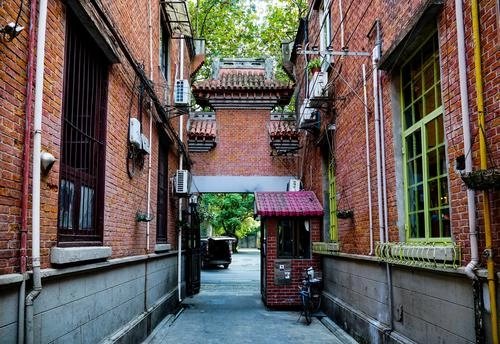
Explore Shanghai’s Shikumen alleys: architecture, community life, and immersive experiences in historic lanes and courtyards.
Shikumen Alleys of Shanghai: A Guide to Live Neighborhood Culture
Intro: The Timecode of Shikumen
Open a heavy black-lacquered door and step into a blue-brick courtyard, and it feels like entering a time tunnel—laundry flutters in the breeze, the clatter of woks carries from somewhere nearby, and soft Wu dialect laughter drifts through the air. This is Shanghai’s Shikumen: rows of brick-and-wood houses that hold the most authentic memories of Haipai urban life. Every weathered wall seems to tell the story of “seventy-two tenants,” every carved lintel blends Eastern and Western aesthetics. In 2015, the living culture of Shikumen alleys was inscribed on Shanghai’s intangible cultural heritage list. It’s waiting for you to unlock this unique city code.
1. Shikumen: An Architectural Poem of East Meets West
Shikumen is a distinctive Shanghai architectural treasure that emerged in the late 19th century during the concession era. These terraced houses embody a practical creativity: granite door frames with black-lacquered doors (hence “Shikumen,” literally “stone-gate door”), Western-style reliefs on the lintels, and the Jiangnan courtyard layout blended in a singular way. Typical elements include a front courtyard (tianjing), a central reception room, a rear kitchen, and intimate spaces such as the tiny second-floor “tingzi-room” and rooftop terraces.
Notably, the small second-floor tingzi-room—often under 10 square meters—nurtured a significant portion of modern Chinese literature. Writers like Lu Xun wrote some of his essays there, and Ba Jin conceived parts of The Family in similar settings. These literary connections add a special cultural sheen to Shikumen.
2. The Lively Canvas of Alley Life
Step into any well-preserved Shikumen lane and you’ll be greeted by everyday life. In the morning, housewives gather by communal kitchens to prepare breakfast and chat; in the afternoon, elders sit in bamboo chairs to bask in the sun and swap stories; by evening, children play hopscotch and Chinese string toys in the lane. On festivals and celebrations the alleys reveal their strong community bonds. For weddings, neighbors sometimes bring out red-lacquered tables and set up feasts in shared reception rooms; in summer, families move bamboo chairs outside to share watermelon under the stars. This “nearby neighbor” intimacy—better than distant relatives—creates Shanghai’s warm urban texture.
3. Deep-Immersion Guide
3.1 Must-Visit Shikumen Sites
– Xintiandi: A model of adaptive reuse—Shikumen facades preserved with stylish shops inside. – Bugao Li (formerly in Luwan): One of the most intact Shikumen clusters and a filming location for the movie Lust, Caution. – Tianzifang: A creative alleyway zone where artists and independent shops cluster. – Jianye Li: Recently restored boutique Shikumen hotel complex with cultural touches.
3.2 Immersive Experiences to Try
Plan at least a half-day to explore deeply: – Architectural walking tour: Study how Western carvings and Chinese auspicious motifs coexist on door lintels. – Tingzi-room exploration: Visit converted cultural spaces to sense the writers’ creative environment. – Alley games: Learn traditional games like marbles and hopscotch from local elders. – Communal-kitchen cooking class: Join a lesson in local Shanghai cuisine and experience the social nature of shared kitchens.
4. Practical Information and Tips
Best times:
Weekday mornings in spring or autumn (avoid weekend crowds) or twilight hours to feel the lane atmosphere.
Getting there:
– Metro: Multiple lines serve the area. Xintiandi, South Shaanxi Road, and Dapuqiao stations are key. – Walking: Connect a walking route along Huaihai Middle Road and Sinan Road to include nearby historic streets.
Cultural etiquette:
– Respect residents’ privacy when photographing—many lanes are still lived in; keep voices low. – If you find people in communal spaces, offer a smile but don’t intrude on their activities.
Hidden gems:
– Early mornings (7–8 AM) you might spot a milkman or a knife-sharpening artisan—old trades slowly disappearing. – Small galleries in Tianzifang often host pop-up cultural salons and talks. – The Jianye Li area’s boutique hotels sometimes offer guided Shikumen cultural briefings.
5. Extend Your Cultural Route
Combine a Shikumen visit with other Haipai cultural sites: Morning: Shanghai Museum to learn city history → Lunch: Shikumen dining in Xintiandi → Afternoon: Bugao Li and Sinan Mansions → Evening: Tianzifang art stroll → Dinner: Local Shanghai cuisine on Yongkang Road.
Conclusion: A Living Memory That Never Fades
Among Shanghai’s towering skyscrapers, Shikumen lanes are living museums preserving the city’s truest character. Touch the time-worn bricks, exchange a smile with an elder on the lane, and you’ll grasp the Haipai spirit of blending East and West. This intangible-heritage neighborhood isn’t just history—it’s the beating heart of a city waiting to be experienced.
https://chinawondersguide.com/shikumen-shanghai-alleyways/