Suzhou Classical Gardens: A Serene One-Day Zen Walk to Jiechuang Lusi Temple
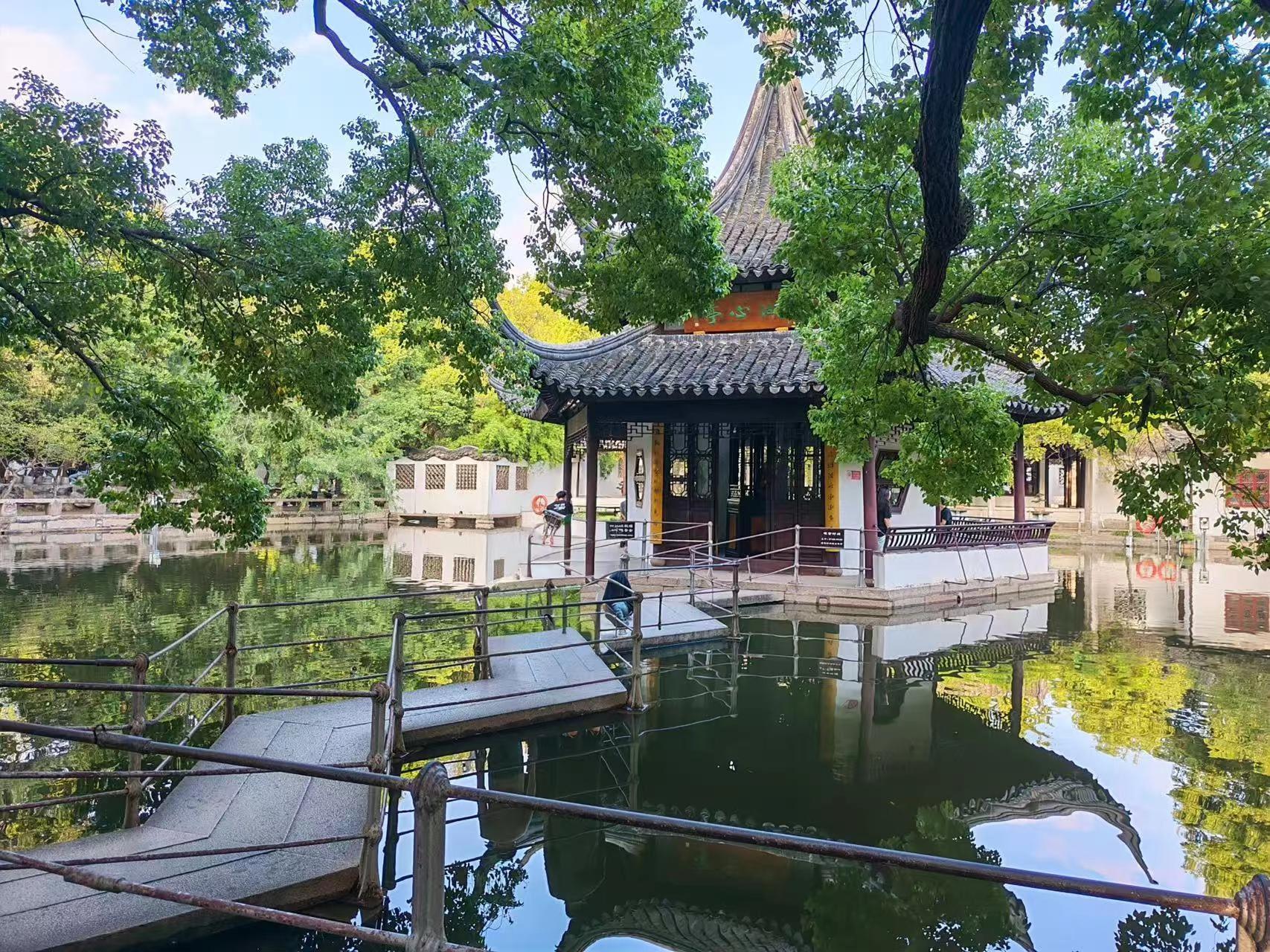
Explore a 4 to 6 hour Suzhou itinerary: morning temple axis at Jiechuang Lusi Temple, afternoon classical garden strolls, sunset bell and drum views.
A Serene One-Day Zen Walk: Jiechuang Lusi Temple and Suzhou Garden Stroll
1. Route overview
- Suzhou ancient temple and classical garden one-day Zen walking route. - Suggested duration: 4–6 hours (includes worship and garden rest).
2. Timed detailed route
Morning: temple central-axis pilgrimage (about 2 hours)
- Enter through the main gate of Jiechuang Lusi Temple and follow the traditional central axis order:
1. Tianwang Hall
- [Temple · First Hall] - Houses Maitreya Buddha and the Four Heavenly Kings; an incense burner usually stands before the hall. - Best visited early when crowds are thin for quiet worship. Please avoid stepping on thresholds.
2. Mahavira (Daxiong) Hall
- [Temple · Main Hall] - The core shrine enshrines Sakyamuni Buddha; the architecture is solemn and grand. - If timing allows, you may join the monks' morning chants.
3. Guanyin Hall
- [Temple · Symbol of Compassion] - Dedicated to the Thousand-armed Guanyin, flanked by delicate murals. - A popular spot for making wishes; many female visitors offer prayers here.
4. Five Hundred Arhats Hall
- [Temple · Distinctive Hall] - Ringed with 500 arhats in varied poses and expressions. - Try the local folk pastime of “counting arhats” for a playful fortune-telling moment.
Noon: light meal and short rest (30 minutes)
- A five-minute walk brings you near the West Garden:
5. Zhenguo Jiechuang stele (if open)
- [Cultural relic · Historical stone inscription] - A precious ancient stele within the temple compound recording monastic precepts. - Calligraphy lovers can inspect details up close; general visitors may admire from a distance.
Afternoon: garden and waterside stroll (2–3 hours)
- Enter the West Garden area from the side door next to the Arhats Hall:
6. West Garden
- [Garden · Suzhou-style courtyard] - Miniature rock formations, arched bridges and old plane trees create an intimate classical scene. - The best photo spot is the lake pavilion; afternoon light casts beautiful shadows.
7. Wisdom Bridge (Zhihui Bridge)
- [Garden · Red arched bridge] - A small vermilion bridge connecting the garden to the release-pond. - From the bridge you can watch koi gathering below — a good place to toss a coin and make a wish.
8. Fude Bridge
- [Garden · Stone bridge] - An old stone slab bridge at the garden exit, wrapped in vines and moss. - Perfect for atmospheric forest-style portraits.
Evening: bell and drum towers wrap-up (30 minutes)
- Return to the rear of the temple central axis:
9. Drum Tower
- [Historic building · Landmark] - A two-story pavilion exhibiting a large drum. - At sunset the drum tower silhouette against the sky is especially photogenic, often with passing birds.
10. Bell Tower
- [Historic building · Landmark] - Symmetrical to the Drum Tower, often houses an antique-style bronze bell. - If open, climb for a view over the old city and surrounding temple complex.
3. Quick-sequence checklist
- Morning: Tianwang Hall → Mahavira Hall → Guanyin Hall → Five Hundred Arhats Hall - Noon: Zhenguo Jiechuang stele (view from outside) - Afternoon: West Garden → Wisdom Bridge → Fude Bridge - Evening: Drum Tower → Bell Tower
5. Practical tips
- Certain temple areas require quiet and respectful behavior. - The West Garden tea house is a good rest stop (bringing your own tea can save money). - Floors in the Five Hundred Arhats Hall can be slippery—watch your step. - Wear flat, non-slip shoes as old stone steps and bridges can be steep.
Note: All sites listed are within the Jiechuang Lusi Temple complex and its attached gardens. The route has been optimized for spatial logic and typical opening hours.
https://chinawondersguide.com/suzhou-classical-gardens-zen-walk/