Taiwan Cultural Tourism: Indigenous Harvest Festival — A Vibrant, Sacred Immersion Experience
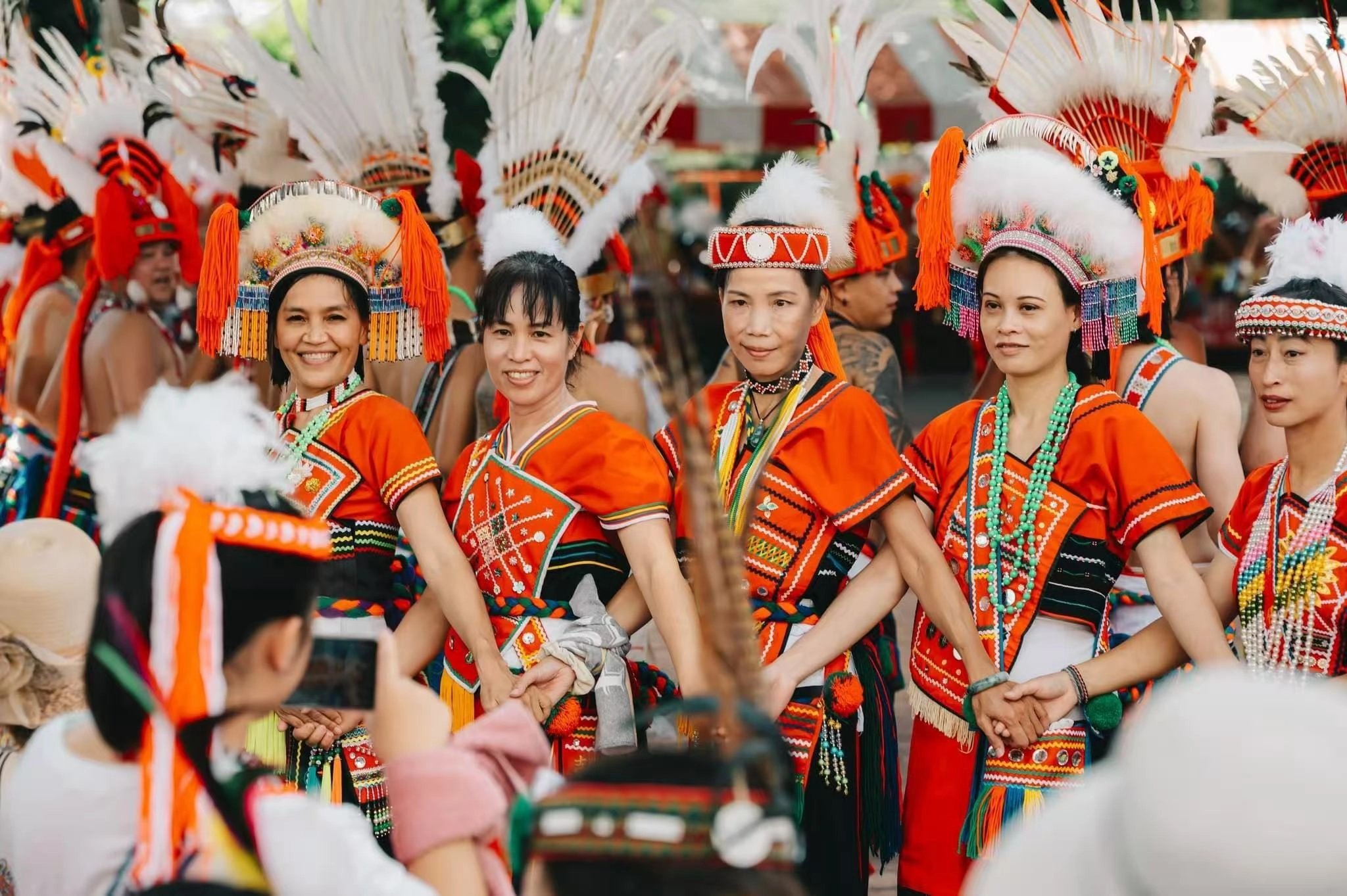
Join Taiwan’s Indigenous Harvest Festival to experience traditional song, dance, rituals, local food, and community spirit.
Taiwan Indigenous Harvest Festival: A Vibrant, Sacred Cultural Immersion Experience
Introduction: Drums Beat, Dancers Rise
When summer’s heat rolls across Taiwan’s mountains and fields, a living celebration awakens—the Indigenous Harvest Festival. This annual festival is the largest event of the year for many indigenous communities, where song, dance, ritual and competition give thanks to ancestral spirits for a bountiful year. Drums pulse like a heartbeat, villagers in bright traditional dress form circles and perform ancient steps, and voices echo through valleys as if telling thousand-year-old stories. For travelers, the festival is not only a visual and auditory spectacle but a rare opportunity to immerse yourself in Taiwan’s indigenous cultures.
1. The Soul of the Harvest Festival: Gratitude, Heritage and Celebration
The core spirit of the Harvest Festival can be summed up as “a gratitude feast that spans millennia.” More than an agricultural harvest celebration, it is a sacred dialogue between communities, ancestors and nature. Different peoples use different names—Amis call it ilisin, Bunun call it masuhuastai—but all feature vibrant singing and dancing, solemn rituals, and communal sharing.
Unique Selling Points:
– Intangible Cultural Heritage status: Recognized in 2013 as an important Taiwanese folk event and a key symbol of indigenous culture. – Sacred and joyful: Ceremonies often combine solemn offerings with open, participatory song, dance and games. – Visual and cultural impact: Spectacular traditional costumes, distinctive musical styles, and long-established ritual sequences make this highly watchable and meaningful.
2. Cultural and Festival Atmosphere: Bridging Past and Present
The Harvest Festival is a primary way indigenous peoples sustain community identity. During the festival, families return from far and wide to join rituals, dances and competitions, reinforcing family and village bonds. Visitors can sense the palpable communal atmosphere, watch elders teach younger generations traditional songs and steps, and witness the deep respect for nature and ancestral spirits.
3. Main Events and Visitor Experience
Harvest Festivals typically last 3–7 days and offer varied activities; visitors can select what they want to join. (1)Core Ritual: Pig Sacrifice and Blessings The ceremonial peak is often a pig-sacrifice led by the village priest—an offering that expresses thanks to ancestors and prayers for next year’s abundance. This is a solemn part of the festival; visitors should observe respectfully from a distance and avoid interrupting.
(2)Traditional Song and Dance: Cultural Expression at Its Best Song and dance are more than entertainment—they carry history. Performances like the Amis Malakacaw and the Bunun Eight-Part Harmony are striking examples. Visitors are often invited to learn simple steps or join a dance circle to feel the collective exhilaration.
(3)Competitive Events: Tests of Strength and Skill Many villages hold traditional contests—archery, tug-of-war, weighted running and more. Some competitions welcome visitor participation, offering a hands-on way to experience indigenous physical culture.
(4)Day vs. Night Experiences – Daytime: Markets, handicraft displays and competitive events—ideal for photos and interaction. – Nighttime: Bonfires and collective singing/dancing—a more intense, mysterious atmosphere.
4. Setting and Mood: Warmth and Sacredness of the Village
Festivals take place in village squares or ritual grounds and draw locals, cultural enthusiasts and tourists. The mood shifts with each segment: solemn during rituals, exuberant during dances, and tense during competitions.
Seasonality
Harvest Festivals mainly occur in July–August, with dates varying by village. Because they happen once a year, missing one often means waiting another year.
5. Itinerary Tips
Recommended Stay
– Quick visit: 2–3 hours (watch dances and visit the market). – Deep immersion: Half a day to a full day (join competitions, learn dances, taste traditional food).
Best For
– Culture lovers: Gain insight into indigenous beliefs and lifestyles. – Photographers: Capture costumes, rituals and performances. – Families: Let children experience different cultures through interactive events.
Pairing Suggestions
Combine a festival visit with a nearby cultural village, tribal museum, or nature attraction (e.g., Taroko Gorge or Alishan) to create a cultural-and-nature itinerary.
6. Practical Tips
Reservations and Lines
Popular villages may require advance booking, especially for deeper participatory experiences.
Language and Interpretation
Large festivals may provide English summaries, but smaller villages generally use Mandarin and indigenous languages; learning basic cultural background in advance is recommended.
Payment
Village markets often prefer cash (New Taiwan Dollars); some vendors accept mobile payments. Bring small bills and coins.
Facilities and Comfort
venues are often rustic; expect limited restrooms and seating—travel light and bring water.
Safety and Etiquette
– Respect sacred rituals: avoid loud behavior or intrusive photography. – Dress comfortably and modestly; some villages ask visitors to avoid revealing clothing.
7. Local Insights
Hidden Gems
– Best viewpoint: The central area where the priest conducts the ritual offers the clearest view—stay quiet and unobtrusive. – Off-the-beaten-path festivals: Smaller, remote village ceremonies are often less commercial and more authentic.
Avoiding Pitfalls
– Avoid the midday heat; evening events are often richer. – Beware overly commercialized “performance-style” festivals—look for events led by community members.
8. Basic Information
Event Name and Identity
– Official name: Taiwan Indigenous Harvest Festival (names vary by tribe, e.g., Amis ilisin, Bunun masuhuastai). – Locations: Indigenous villages across Taiwan, such as Amis settlements in Hualien and Puyuma/Bunun communities in Taitung.
Timing
– Annual: July–August; exact dates depend on each village.
Costs and Budget
– Most events are free; some tourist-oriented festivals may charge a ticket (approx. NT$100–300). – Food and handicraft purchases typically NT$200–500 per person.
Transport and Access
– Public transport: Some villages are reachable by train or bus with local taxi transfers. – Self-driving: Parking near villages can be limited—arrive early. – Taxis/ride-hailing: Harder to get immediately after events; pre-arrange return transport if possible.
Conclusion: A Cultural Experience Not to Miss
Taiwan’s Indigenous Harvest Festival is more than a celebration—it’s a time-transcending cultural dialogue. Here you’ll feel indigenous reverence for nature, the endurance of tradition, and the joy conveyed through music and dance. If you seek a distinctive, meaningful travel experience in Taiwan, include a harvest festival on your itinerary.
https://chinawondersguide.com/taiwan-cultural-tourism-harvest-festival/