Mazu Pilgrimage: 旅行er’s 指南 to 中国’s Sea-Goddess Festivals 与 寺庙 Traditio指南
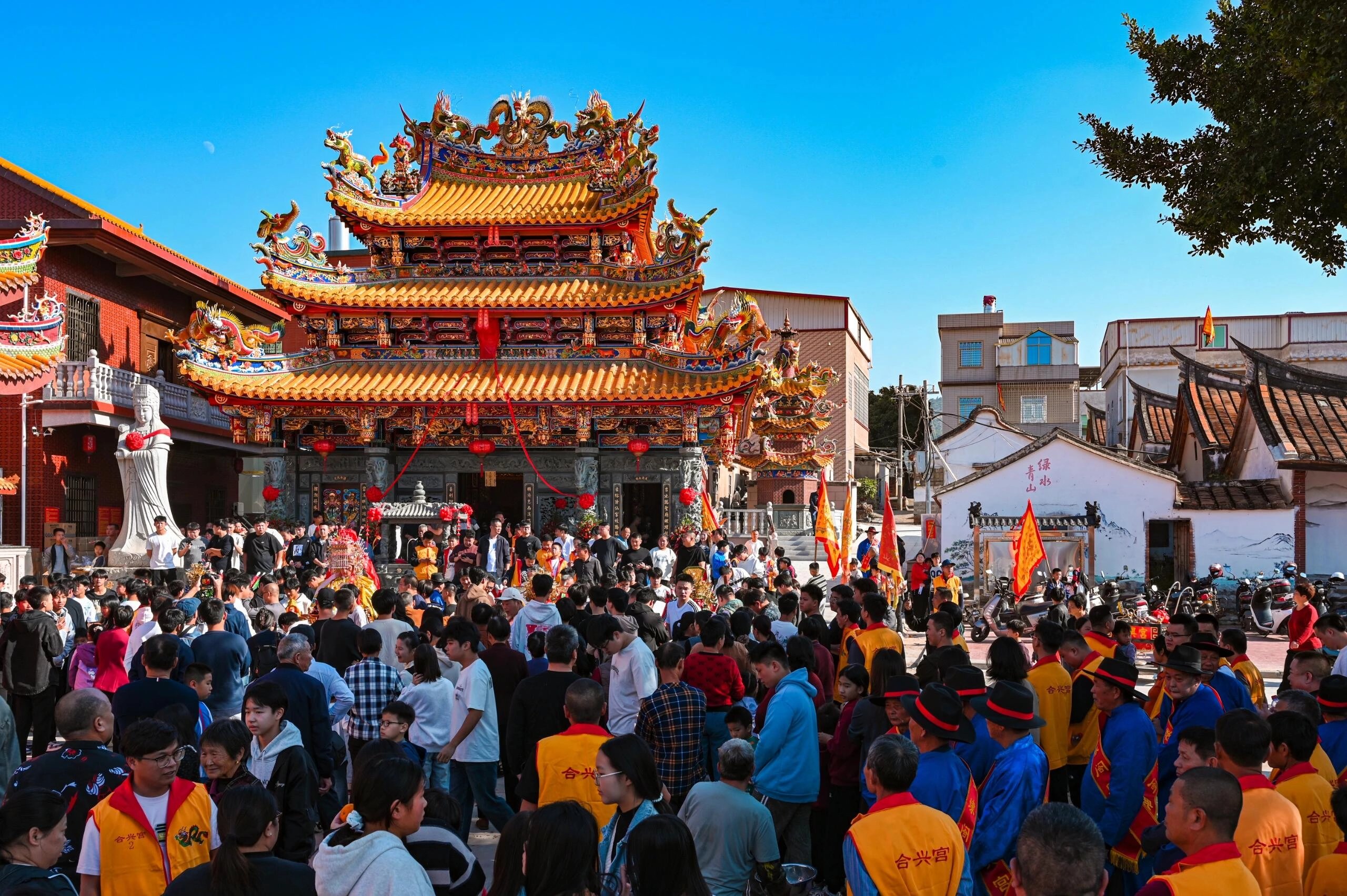
Mazu Pilgrimage: 旅行er’s 指南 to 中国’s Sea-Goddess Festivals 与 寺庙 Traditio指南的行程重点、背景信息和实用参观提示,帮助旅行者更轻松地规划中国之行。
中文导览:Mazu Pilgrimage: Immersive Guide to China’s Sea Goddess Traditions and Festivals
中文导览:Introduction: A Millennia-Long Dialogue Between People and the Sea
中文导览:Along China’s southeast coast, where waves crash on reefs and sea breezes stir temple eaves, a millennia-old devotion lives on: the Mazu faith. Revered as a protector of fishermen and a spiritual guardian for sailors, Mazu links Chinese communities across the world. In 2009 UNESCO inscribed Mazu worship on the Representative List of the Intangible Cultural Heritage of Humanity.
中文导览:Step into Mazu’s world and you will witness solemn rituals, lively temple processions, and devoted pilgrims seeking blessings. From the dawn bells and evening drums at the Meizhou Ancestral Temple to the incense smoke of overseas branch temples, Mazu culture draws travelers seeking authentic, deep cultural experiences.
中文导览:
中文导览:1. The Soul of Mazu Worship: A Millennia-Old Maritime Faith
中文导览:At its core, Mazu worship expresses reverence and gratitude toward the sea. Mazu’s historical name was Lin Moni (林默, 960–987). Legends credit her with foreseeing danger and rescuing people from shipwrecks; after her death she was venerated as the Sea Goddess. Over a thousand years, Mazu’s cult spread from Meizhou Island in Putian, Fujian, to more than 30 countries and regions, with over 5,000 branch temples and an estimated 200 million followers worldwide.
中文导览:Unique selling points:
中文导览:– World-class heritage experience: UNESCO-listed intangible cultural heritage with exceptional cultural value. 中文导览:– Living maritime culture: Mazu worship is embedded in the daily life of southeastern Chinese fishing communities—an essential window into maritime civilization. 中文导览:– A global cultural bond: From Southeast Asia to the West, Mazu temples form an overseas-Chinese spiritual network and a place of cultural return.
中文导览:
中文导览:2. Festivals and Rituals: Immersive Ways to Experience Mazu Culture
中文导览:The Mazu calendar is rich with ritual and local color. The two major observances are: 中文导览:– Lunar March 23 (Mazu’s birthday): Grand celebrations in Mazu temples worldwide, especially at Meizhou’s ancestral shrine. 中文导览:– Lunar September 9 (Mazu’s ascension): Commemorative rites, parades, and memorial activities marking Mazu’s apotheosis.
中文导览:(1) Mazu Ceremony: A Solemn, Time-Honored Ritual 中文导览:The core ritual at ancestral and larger branch temples typically includes: 中文导览:– Sacrificial table (jiayan): Offerings such as the three sacrifices, five fruits, and fresh flowers to show reverence. 中文导览:– Music and dance: Traditional court music and dances performed with dignity and ritual precision. 中文导览:– Sutra chanting and prayers: Taoist priests or temple custodians recite scriptures to ask for safety and blessings. 中文导览:Visitors can observe these UNESCO-recognized rites up close and absorb the deep religious atmosphere.
中文导览:(2) Mazu Procession: A Community Spectacle 中文导览:The gilded image of Mazu is carried from the temple amid a sea of devotees. Drums and gongs, dragon and lion dances, and other folk performances accompany the parade. Travelers can follow the procession to feel the most authentic festival energy.
中文导览:(3) Incense Offerings and Blessings: Participate Respectfully 中文导览:Many devotees make pilgrimages to Meizhou to “jinxiang” (present incense) at the origin shrine. Visitors may also: 中文导览:– Light incense and pray for safety, career success, or family wellbeing. 中文导览:– Hang talismans or red ribbons for peace and fortune. 中文导览:– Watch local intangible-heritage performances like Puxian opera and traditional orchestral ensembles.
中文导览:
中文导览:3. Setting and Atmosphere: Feeling the Power of Devotion in Mazu Temples
中文导览:(1) Scenes and Crowds 中文导览:– Main sites: Meizhou Mazu Ancestral Temple (Putian, Fujian), Quanzhou Tianhou Palace, Dajia Zhenlan Temple (Taichung, Taiwan). 中文导览:– Participants: Local believers, overseas Chinese pilgrims, culture enthusiasts, and photographers. 中文导览:– Mood: A blend of solemn ritual reverence and festive temple fair exuberance—both spiritual and celebratory.
中文导览:(2) Seasonal Intensity 中文导览:Lunar March 23 and Lunar September 9 are peak times for the most vibrant experience; everyday visits are calmer and better for studying Mazu’s history in depth.
中文导览:
中文导览:4. Suggested Itineraries: How to Deeply Experience Mazu Culture
中文导览:(1) Recommended duration 中文导览:– Quick visit: 2–3 hours (suitable for a single temple visit). 中文导览:– Deep immersion: A full day (attend ceremonies, follow a procession, and take part in incense offerings).
中文导览:(2) Ideal travelers 中文导览:– Culture seekers: Those researching intangible heritage, folk religion, or maritime customs. 中文导览:– Photographers: For ritual photography, festival scenes, and historic temple architecture. 中文导览:– Families: To learn about maritime culture and share festival experiences.
中文导览:(3) Combination suggestions 中文导览:– Meizhou Island day trip: Meizhou Ancestral Temple + coastal views at Meiyu Chaoyin + Mazu Culture Park. 中文导览:– Quanzhou cultural route: Tianhou Palace + Kaiyuan Temple + Quanzhou Maritime Museum.
中文导览:
中文导览:5. Practical Tips: Make Your Visit Smooth and Respectful
中文导览:– Booking and queues: During major festivals book accommodation early; popular temples may see long lines. 中文导览:– Language and interpretation: Some major temples provide English guides or leaflets; download a translation app in advance. 中文导览:– Payment: Donations, temple fees, and small entrance fees can usually be paid with cash or mobile pay (WeChat/Alipay). 中文导览:– Safety and etiquette: 中文导览:– Dress modestly when entering temples (avoid shorts and flip-flops). 中文导览:– Ask permission before photographing—some ceremonies prohibit cameras.
中文导览:
中文导览:6. Local Insights: Unlock Hidden Experiences
中文导览:– Best vantage point: The Mazu statue atop Meizhou Ancestral Temple hill offers sweeping views of the island and sea. 中文导览:– Beat the crowds: Festival mornings are busiest—late afternoons are often more comfortable. 中文导览:– Deeper engagement: Book a local “Mazu intangible heritage workshop” through a trusted agency to learn ritual procedures and participate hands-on.
中文导览:
中文导览:7. Essentials Before You Go
中文导览:– Key temples: 中文导览:– Meizhou Mazu Ancestral Temple (Putian, Fujian) 中文导览:– Quanzhou Tianhou Palace (Quanzhou, Fujian) 中文导览:– Dajia Zhenlan Temple (Taichung, Taiwan) 中文导览:– Opening hours: Typically 06:00–18:00; extended hours during festival days. 中文导览:– Admission: Most temples are free; some sites (Meizhou Island scenic areas) may charge around CNY 60. 中文导览:– Transport: 中文导览:– Meizhou Island: A short ferry (about 30 minutes) from Putian. 中文导览:– Quanzhou Tianhou Palace: Centrally located and reachable by bus or taxi.
中文导览:
中文导览:Conclusion: An Unmissable Intangible Cultural Journey
中文导览:Mazu worship is more than belief; it is a living cultural inheritance spanning a thousand years. Here you can witness solemn ritual, enjoy lively folk festivals, and participate in heartfelt acts of devotion. Whether you travel for culture, photography, or unique travel experiences, Mazu traditions promise unforgettable memories. 中文导览:Next time you travel to China, step into Mazu’s realm and listen to a millennia-old conversation between humankind and the sea.
https://chinawondersguide.com/zh-Hans/mazu-pilgrimage-guide/