Monastic Farming at Yunju 山’s Zhenru 寺庙: Cloud-Top Zen 指南
Temples & Religious Buildings
Monastic Farming at Yunju 山’s Zhenru 寺庙: Cloud-Top Zen 指南的行程重点、背景信息和实用参观提示,帮助旅行者更轻松地规划中国之行。
中文导览:Introduction
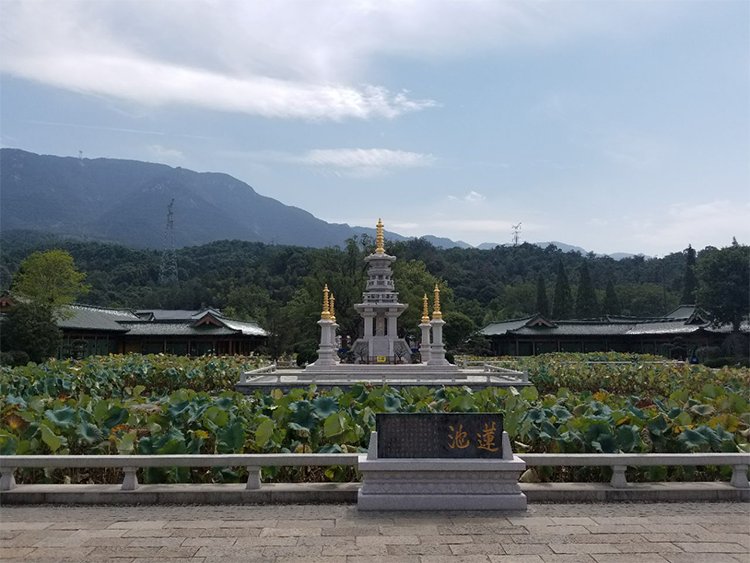
中文导览:When dawn breaks through the sea of clouds and gilds the old bluestone path, the temple bell rings from the summit at 864 meters — this is Zhenru (True Suchness) Zen Temple, famed as the “cloud residence in the sky.” For twelve centuries monks have tended the soil and practiced meditation here, blending farming and Zen. Walk the ancient courtyards and you will still see Su Shi’s bold calligraphy, a Ming bronze Buddha smiling gently, and in the meditation hall rebuilt by Venerable Xuyun the wooden fish beats a rhythm that seems to cut through time.
中文导览:1. Soul Sanctuary: A Millennium of Caodong Heritage
中文导览:Zhenru Temple is not only one of the early Caodong (Soto) school monasteries but also one of the rare living temples in China that preserves the farm-zen tradition. Its appeal rests on three layers: historical depth (founded during the Tang era), Dharma authority (revived under Venerable Xuyun), and ecological spirituality (monks cultivate some 300 mu of terraced fields and the mountain’s lotus-shaped ridgeline).
中文导览:2. The Long Timeline: From Tang Hermitage to Modern Meditation Center
中文导览:In 808 AD Master Daorong took up residence here, beginning Yunju Mountain’s Buddhist legacy. During the Northern Song, Master Foyin’s famous verbal duel with literatus Su Shi helped bring the temple national renown. In 1953, the 121-year-old Venerable Xuyun arrived with a cane and led monks to rebuild the complex by hand, a symbol of modern Chan revival. Today, surviving Ming and Qing halls and more than a hundred stupa-tombs of past masters form a three-dimensional chronicle of Chan history.
中文导览:3. Architectural Highlights: Reading Zen in Eaves and Brackets
中文导览:The stone stairway lined with millennial ginkgoes opens onto the gate where Zhao Puchu engraved the characters “Zhenru Temple.” As you proceed, note: 中文导览:– Tianwang Hall (Hall of the Heavenly Kings): A Ming bronze Maitreya smiles at visitors while the four heavenly kings hold instruments that symbolize seasonal balance. 中文导览:– Daxiong Baodian (Mahavira Hall): The centerpiece is a 5-meter gilded Vairocana Buddha (Wanli period), backed by a relief of the “Huazang World.” 中文导览:– Sutra Repository (Cangjing Lou): Holds over 7,000 wooden blocks of the Longzang printed in the Qianlong era; through the latticed windows you may glimpse monks repairing sutra editions. 中文导览:Look for the Song-era plaque inscribed by Master Foyin — its strokes are as commanding as a Zen shout. The temple layout follows the mountain’s contours; along corridors you’ll find “meditation windows” framing cloud seas, bamboo groves, and temple roofs.
中文导览:
中文导览:4. Zen Practices: Daily Life Between Dawn Bell and Dusk Drum
中文导览:At 05:30 each morning the sangha gathers in the Dharma Hall to chant the Diamond Sutra; visitors may quietly observe from the gallery. On Buddha’s birthday the elaborate bathing ceremony is a solemn highlight. Practical participation tips: 中文导览:– Incense etiquette: Light three sticks at the gate, bow three times before the main hall, insert sticks and take two steps back with palms together. 中文导览:– Observe monastic farming: You may see monks in the vegetable plots at dawn or midday — keep a respectful distance and maintain silence. 中文导览:– Copying sutras: A short Heart Sutra is available for visitors to copy in the guest hall; ink and brushes are provided.
中文导览:5. Seasons on Yunju: Best Times to Visit
中文导览:– Spring (March–April): Mountain cherries bloom and monks move through rapeseed flowers. 中文导览:– Summer (June): Cloud seas spill into the corridors and temple quarters look like floating isles. 中文导览:– Autumn (October): Ginkgo leaves fall like golden rain into the Liberation Pond. 中文导览:– Winter (December): Snow cloaks the stupa forest and warm light filters the evening service. 中文导览:Recommended visit length: 3–4 hours. Best time to avoid tour crowds and catch morning light: 07:00–10:00. Photographers should stake out the eastern “cloud-sea viewing window” beside the Sutra Repository.
中文导览:
中文导览:6. Practical Information
中文导览:– Transport: 中文导览:– From Nanchang West Station take the direct Yunju Mountain shuttle (about 2 hours, two departures daily). 中文导览:– By car: navigate to “Yunju Mountain Scenic Area South Gate”; summit parking costs ¥10/day. 中文导览:– Opening hours and fees: Open 08:00–17:00 (winter) / 08:00–18:00 (summer). Free admission. 中文导览:– Notes: 中文导览:– No flash photography inside halls. Do not step on stone carvings in the stupa grove. 中文导览:– Vegetarian lunch at the temple dining hall opens at 11:00 (¥20 per person; pre-registration recommended). 中文导览:– Mid-mountain Baihua Valley hosts a teahouse serving Yunju wild tea with osmanthus cake — highly recommended.
中文导览:7. Cultural Extensions: Nearby Cultural Loop
中文导览:Combine your Zhenru Temple visit with nearby cultural stops: 中文导览:– Morning: Meditation and temple experience. 中文导览:– Afternoon: Drive 20 minutes to Yaotian Village at the mountain base to watch traditional oil pressing. 中文导览:– Evening: A 40-minute drive to Zhelin Lake for a sunset boat ride.
中文导览:Conclusion
中文导览:As city noise fades, the bell at Yunju Mountain continues to awaken travelers seeking true suchness. Zhenru Temple is more than a historical site — it is a living Sutra written in monastic fields, wood, and stone. When you bow goodbye, you may leave understanding a little of Venerable Xuyun’s words: “When spring arrives the flowers bloom everywhere; the whole land is Tathāgata.”
https://chinawondersguide.com/zh-Hans/monastic-farming-yunju-zhenru-temple/